FN0520P002C
FANNAL
5.2
58.65(H) x 155.58(V) x 1.98(D) mm
-20~70
-30~80
35.91(H) x 129.16(V) mm
G+G
I2C
| Quantity: | |
|---|---|
Item / Parameter |
Specifications |
Touch Panel Size |
5.2 inch (Diagonal) |
Product Structure |
G+G (CTP) |
Touch Controller / IC |
Cypress/Infineon |
Channel |
6 * 21 |
Number of Touch Points |
5 |
Outline Dimension (H x V x D) |
58.65(H) x 155.58(V) x 1.98(D) mm |
View Area (H x V) |
35.91(H) x 129.16(V) mm |
Cover Material |
Sodalime Glass |
Cover Thickness |
1.1 mm |
Sensor Material |
ITO Glass |
Sensor Thickness |
0.55 mm |
Strengthening Method |
Chemically Strengthened |
Surface Hardness |
7H Min. CQ02 |
Touch Transmittance |
85% Min. |
Touch Interface |
IIC (I2C) |
Operating Temperature |
-20°C ~ +70°C |
Storage Temperature |
-30°C ~ +80°C |
Environmental Requirements |
RoHS-2.0 compliant |
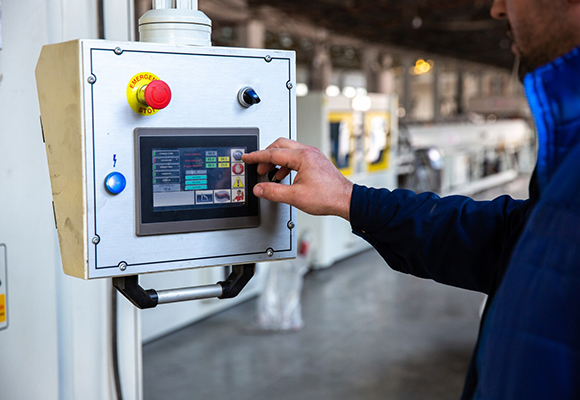
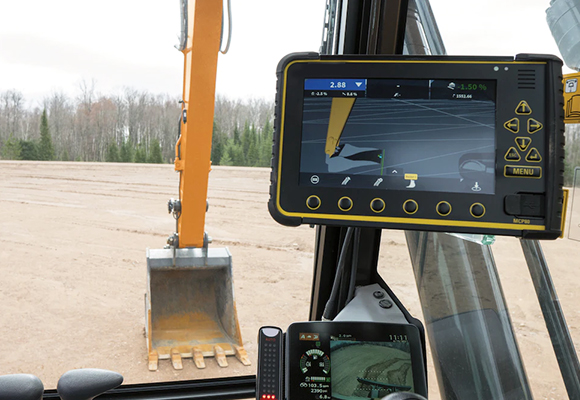
Suitable for machine control panels, compact operator interfaces, and industrial embedded terminals where space efficiency and durability are both important.
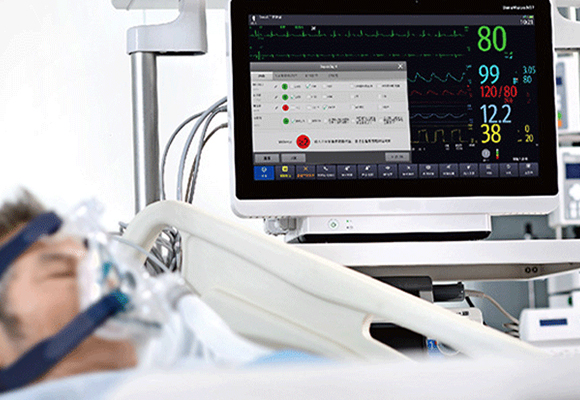
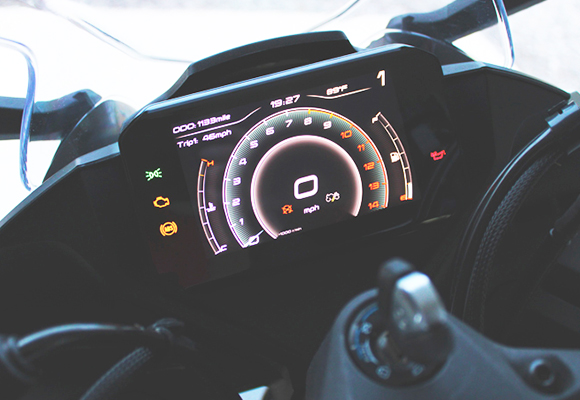
Can be integrated into portable diagnostic equipment, monitoring systems, and medical control interfaces that require durable touch operation and cleanable surfaces.
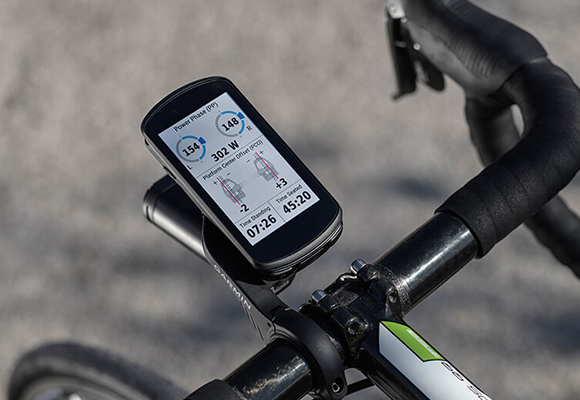
Applicable to portable inspection equipment, barcode terminals, access control systems, and field-service devices with narrow display layouts.
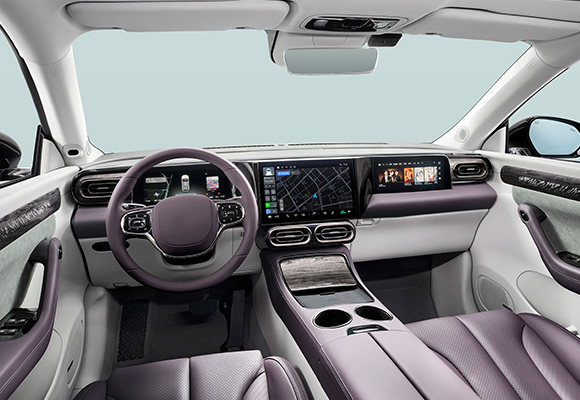
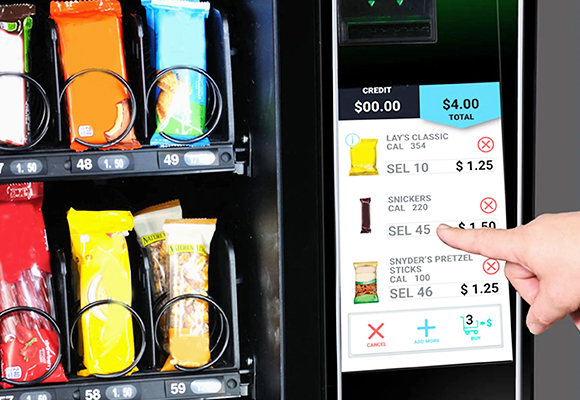
Useful for building automation panels, elevator interfaces, energy management systems, and customized embedded control devices.
Can be used in outdoor-adjacent systems when combined with suitable optical bonding, waterproofing, and environmental protection design.
To meet diverse integration needs, we offer extensive customisation for you, including:
• Size range: 1.77" to 15.6"
• Trusted panel partners: BOE, INNOLUX, JDI, Hannstar, CTC, TCL, and TIANMA.
• Panel types: IPS / TN / LTPS
• Operation Temperature: Industrial (-20 ~ 70°C), Automotive (-30 ~ 85°C)
• Tailored shape, length, and PIN definitions for full compatibility.
• EMI shielding and circuit optimisation.
• Supports multiple conversions: SPI, MCU, RGB, MIPI, LVDS, EDP
• Module material options: metal/plastic/metal–plastic integration
• High brightness up to 30,000 cd/m², ideal for outdoor or industrial use.
• Long lifetime up to 50,000 hours.
• Options: RGB / VGA / HDMI / LVDS / DVI / Type-C
• Fully compatible with custom TFT and LCD modules.
• Optimised design for stable image transmission and performance.
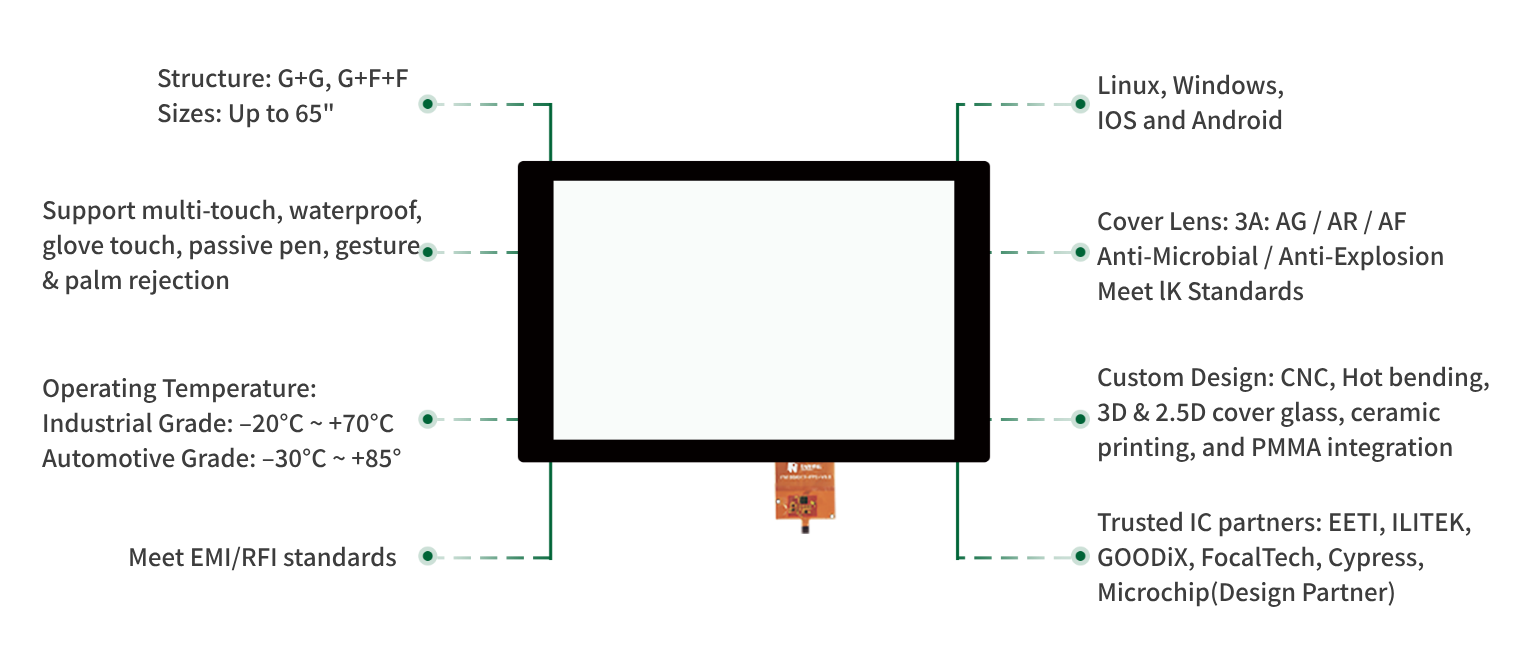
• Available Sizes: Up to 65"
• Structure Options: G+G, G+F+F, designed for industrial and automotive applications
• Touch Functions: Supports multi-touch, waterproof, glove touch, passive pen, gesture & palm rejection
• Operating Temperature:
Industrial Grade: –20°C ~ +70°C
Automotive Grade: –30°C ~ +85°
• Touch tuning and firmware optimization provided by FANNAL (in-house FW design)
• Trusted IC partners: EETI, ILITEK, GOODiX, FocalTech, Cypress, Microchip(FANNAL's Design Partner)
• High Reliability: Excellent anti-interference and long-term stability
• EMC Design: Full electromagnetic compatibility engineering to meet EMI/RFI and industrial standards
• Material Options:
Glass: 0.55mm–10.0mm
PMMA: 0.5mm–3.0mm
PC: 0.1mm–1.0mm
• Custom Design: CNC, Hot bending, 3D & 2.5D cover glass, ceramic printing, and PMMA integration
• Surface Treatments:
3A: AG / AR / AF
Anti-Microbial / Anti-Explosion
Optical Bonding |
Size Range |
Notes |
OCA |
Up to 15.6” |
Two fully automated production lines for high-volume manufacturing |
LOCA / OCR |
Up to 32” |
Excellent for high contrast and durability |
Silicone |
Up to 32” |
Ideal for rugged, large-size industrial applications |