FN1210T005B
FANNAL
12.1
320.4 (L) x 223.4 (W) x 9.25 (T)
261.12 (L) x 163.2 (W)
-20~70
-30~80
261.72 (L) x 163.8 (W)
G+G+LCM
1280*800
LVDS
IIC
380
| Availability: | |
|---|---|
| Quantity: | |
The 12.1-inch SFT display provides a 1280 × 800 resolution and RGB stripe pixel arrangement. SFT technology is well suited to interfaces where consistent image quality and stable viewing performance are important.
The touch panel and LCD are optically bonded rather than separated by an air gap. This reduces the number of internal reflective interfaces and keeps the touch layer closely coupled to the display, which can improve perceived image clarity and reduce the visual impact of reflections.
The G+G touch structure uses a glass cover and ITO glass sensor, providing a rigid touch surface for repeated operation. It supports 10-point touch and an IIC interface for system integration.
With 85% minimum transmittance through the touch panel, the touch layer introduces relatively limited optical loss to the underlying LCD. This is useful when balancing touch functionality with display brightness and image clarity.
The display, touch panel, and optical bonding are supplied as an integrated module. This reduces the need to source and mechanically align the LCD and touch panel separately during equipment development.
The module is specified for operation from -20°C to +70°C, with a storage range of -30°C to +80°C. The actual system-level temperature capability should still be evaluated based on the enclosure, electronics, bonding materials, and other components.
Item | Specification | Unit |
Screen Size | 12.1 | Inch |
Product Structure | G+G+LCM | |
Display Mode | SFT | |
Pixel Arrangement | Pixels RGB stripe arrangement | |
Resolution | 1280*800 | |
Module Dimension | 320.4 (L) x 223.4 (W) x 9.25 (T) | mm |
LCD Active Area | 261.12 (L) x 163.2 (W) | mm |
TP Viewing Area | 261.72 (L) x 163.8 (W) | mm |
TP Cover Lens | 320.4 (L) x 223.4 (W) x 1.1 (T) | mm |
Cover Material | Sodalime Glass | |
Cover Thickness | 1.1 | mm |
Strengthen Method | Chemically strengthen | |
Sensor Material | ITO Glass | |
Sensor Thickness | 0.7 | mm |
Touch Brand | FocalTech | |
No. of Touch | 10 | |
Touch Interface | IIC | |
LCM Type | SFT | |
LCD Interface | LVDS | |
TP Transmittance | 85 | % |
Operating Temperature | -20~70 | °C |
Storage Temperature | -30~80 | °C |
TP+LCM Brightness | 300 (min.) / 380 (typ.) | cd/m² |
Assembly Method | Optical Bonding | |
Approx. Weight | 815.7 | g |
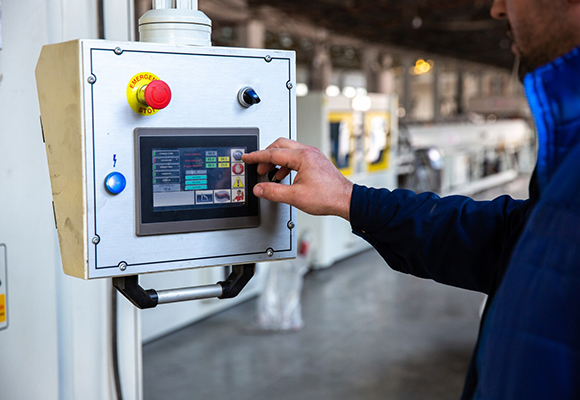
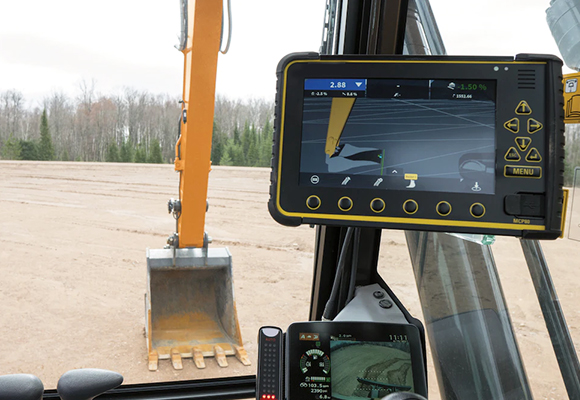
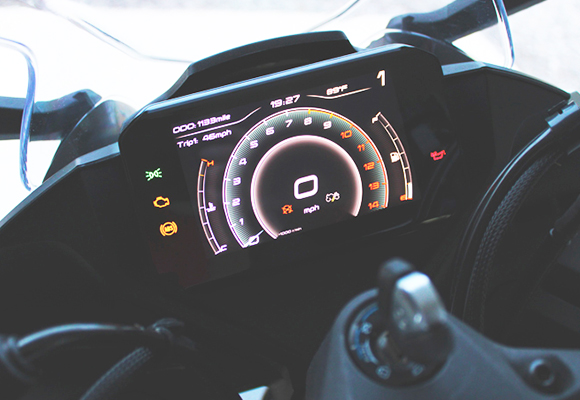
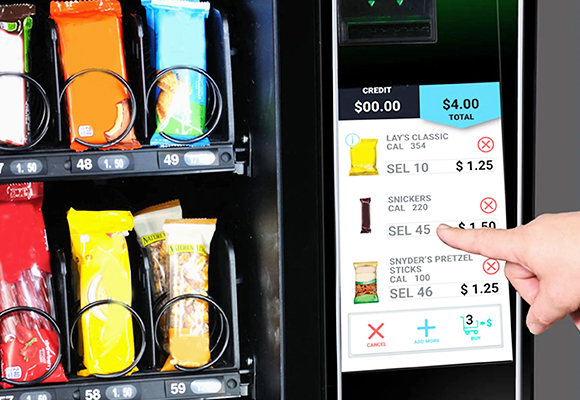
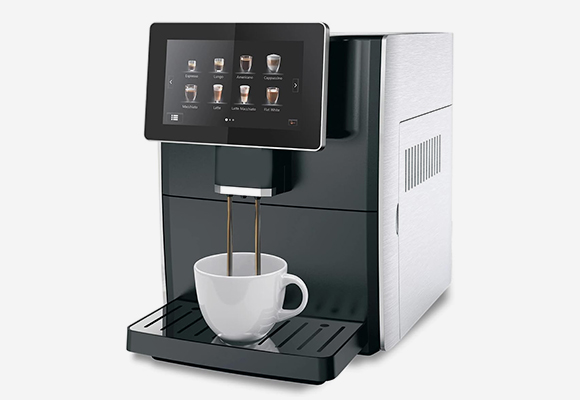
The 12.1-inch format provides enough screen area for machine status, parameter settings, alarms, diagnostics, and graphical controls. Optical bonding is useful where the touch interface and display need to function as a single front-facing module.
Suitable for operator interfaces on production machinery, automation controllers, and equipment monitoring systems where a larger interactive display is preferred over a collection of physical controls.
The 1280 × 800 resolution provides room for dashboards, process information, charts, and control elements without requiring an unusually large enclosure.
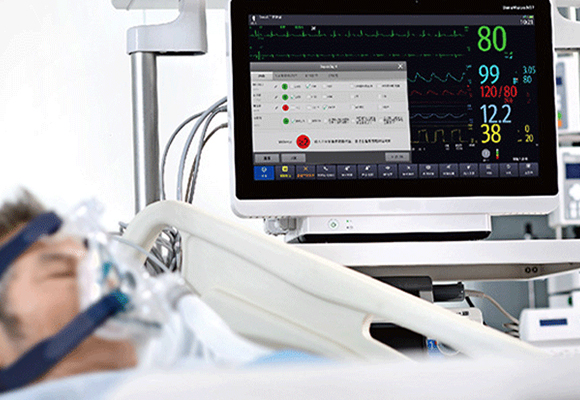
The integrated touch display can be considered for diagnostic, analytical, and laboratory equipment where a clean front interface and direct touch interaction are required. Final suitability depends on the enclosure, cleaning method, regulatory requirements, and complete system design.
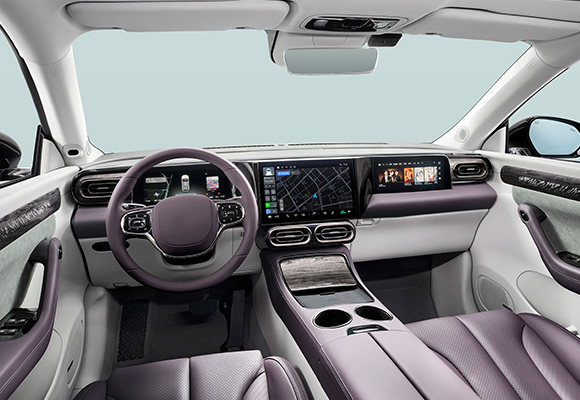
The integrated module is suitable for custom equipment where the display and touch interface need to be installed behind a purpose-designed front panel rather than using a standard consumer monitor.
To meet diverse integration needs, we offer extensive customisation for you, including:
• Size range: 1.77" to 15.6"
• Trusted panel partners: BOE, INNOLUX, JDI, Hannstar, CTC, TCL, and TIANMA.
• Panel types: IPS / TN / LTPS
• Operation Temperature: Industrial (-20 ~ 70°C), Automotive (-30 ~ 85°C)
• Tailored shape, length, and PIN definitions for full compatibility.
• EMI shielding and circuit optimisation.
• Supports multiple conversions: SPI, MCU, RGB, MIPI, LVDS, EDP
• Module material options: metal/plastic/metal–plastic integration
• High brightness up to 30,000 cd/m², ideal for outdoor or industrial use.
• Long lifetime up to 50,000 hours.
• Options: RGB / VGA / HDMI / LVDS / DVI / Type-C
• Fully compatible with custom TFT and LCD modules.
• Optimised design for stable image transmission and performance.
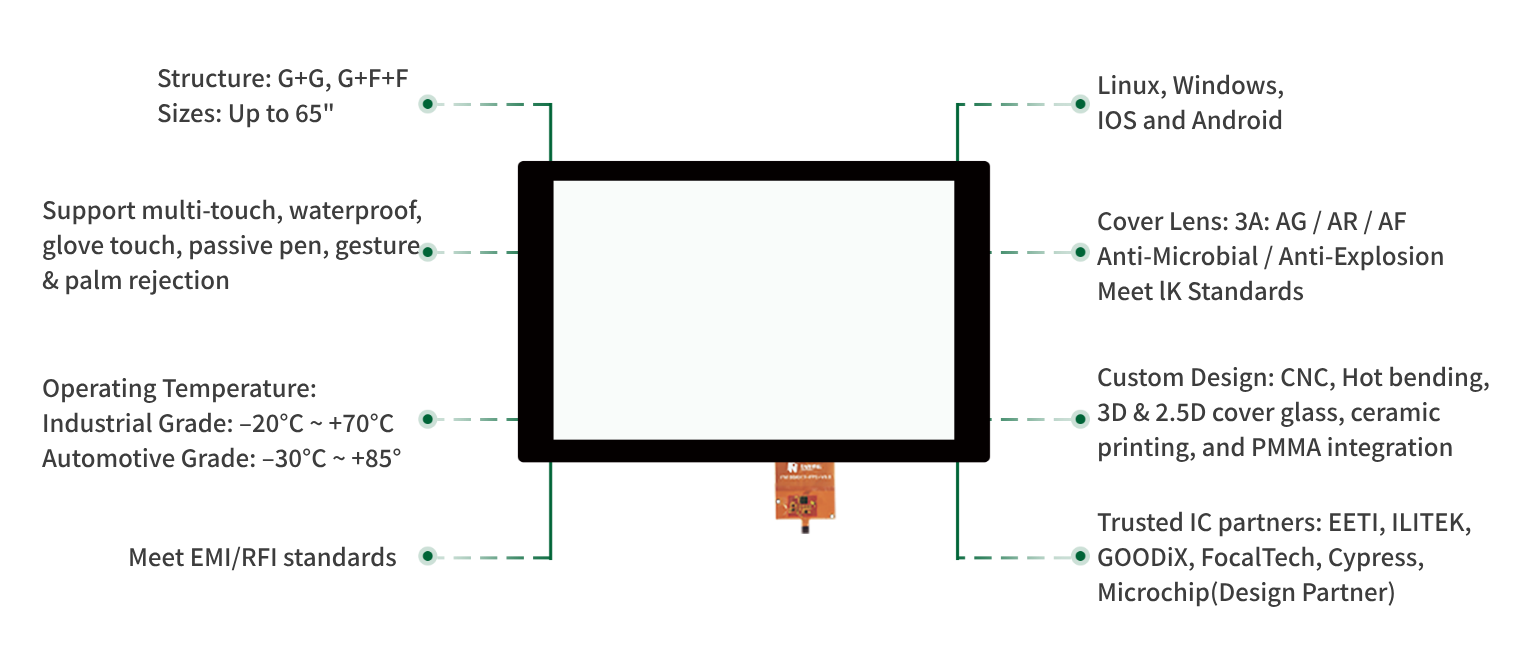
• Available Sizes: Up to 65"
• Structure Options: G+G, G+F+F, designed for industrial and automotive applications
• Touch Functions: Supports multi-touch, waterproof, glove touch, passive pen, gesture & palm rejection
• Operating Temperature:
Industrial Grade: –20°C ~ +70°C
Automotive Grade: –30°C ~ +85°
• Touch tuning and firmware optimization provided by FANNAL (in-house FW design)
• Trusted IC partners: EETI, ILITEK, GOODiX, FocalTech, Cypress, Microchip(FANNAL's Design Partner)
• High Reliability: Excellent anti-interference and long-term stability
• EMC Design: Full electromagnetic compatibility engineering to meet EMI/RFI and industrial standards
• Material Options:
Glass: 0.55mm–10.0mm
PMMA: 0.5mm–3.0mm
PC: 0.1mm–1.0mm
• Custom Design: CNC, Hot bending, 3D & 2.5D cover glass, ceramic printing, and PMMA integration
• Surface Treatments:
3A: AG / AR / AF
Anti-Microbial / Anti-Explosion
Optical Bonding | Size Range | Notes |
OCA | Up to 15.6” | Two fully automated production lines for high-volume manufacturing |
LOCA / OCR | Up to 32” | Excellent for high contrast and durability |
Silicone | Up to 32” | Ideal for rugged, large-size industrial applications |
Optical bonding removes the conventional air gap between the touch panel and LCD. This can reduce internal reflections and make the displayed image appear more directly beneath the touch surface. It can also eliminate the air cavity where condensation could otherwise form. The benefit is most noticeable when optical clarity and front-surface integration matter to the equipment design.
SFT is a type of TFT LCD technology rather than a separate category from TFT. Its use here describes the LCD's panel technology and viewing characteristics. For system selection, the more important factors should include the actual optical performance, viewing requirements, temperature range, and mechanical fit of the module.
Yes. The module can be considered for embedded equipment, but the module outline, touch viewing area, cover glass dimensions, mounting method, and bezel opening need to be checked against the mechanical design. If the standard dimensions do not match, a customized touch/display configuration may be more appropriate.
Not by itself. Optical bonding can improve optical performance by reducing reflections, but it does not turn a standard display into a sunlight-readable outdoor display. For outdoor equipment, the LCD luminance, cover-glass treatment, thermal design, sealing, and system-level environmental requirements should all be evaluated.
Because this product is supplied as an optically bonded touch display, replacing individual layers is more involved than with a simple air-bonded assembly. If field replacement or serviceability is a major requirement, the bonding structure should be considered during the initial product design.