FN0700D154A
7
164.96*100.06*2.84
153.6*90
-20~70
-30~80
1500:1
1024x600
FREE
LVDS
700
| Availability: | |
|---|---|
| Quantity: | |
The 7 inch in-cell touch display module integrates the touch sensor directly into the LCD structure, enabling a thinner and lighter display solution compared with traditional separate touch panels.
With 1024×600 resolution, 700 nits brightness and LVDS interface, this display module is suitable for industrial HMI systems, embedded control devices and smart equipment interfaces requiring reliable touch interaction and clear visibility.
Designed for industrial environments, the module supports stable operation from -20°C to +70°C and complies with RoHS environmental standards.
Key Features of the 7 Inch In-Cell Touch Display
The in-cell touch technology integrates the touch sensing electrodes inside the LCD panel structure.
This design reduces the overall module thickness while improving optical clarity and touch responsiveness compared with traditional external touch panels.
With a typical brightness of 700 nits, the display ensures good readability in indoor environments and semi-outdoor installations.
The normally black display mode provides higher contrast and deeper black levels, helping operators clearly read interface information in industrial control systems.
The LVDS interface provides stable high-speed signal transmission, making the module suitable for embedded systems, industrial controllers and custom electronic equipment.
Operating temperature range:
-20°C to +70°C
This allows reliable performance in industrial automation environments.
Drawing
Specifications
Parameter | Specification |
SIZE | 7.0 Inch |
RESOLUTION RATIO | 1024*600 |
LCD TYPE | Transmissive |
DISPLAY MODE | Normally Black |
DISPLAY DIRECTION | Free |
CONTRAST RATIO | 1500:1 |
LUMINANCE | 700 Typ / 550 Min |
UNIFORMITY | 75% Min |
INTERFACE | LVDS |
POWER SUPPLY | 3.3V |
CONNECTION | FPC Plug-in |
DRIVER IC | ST7232 |
OPERATION TEMPERATURE | -20°C ~ +70°C |
STORAGE TEMPERATURE | -30°C ~ +80°C |
ENVIRONMENTAL REQUIREMENTS | RoHS-2.0 |
UNMARKED TOLERANCE | ±0.2mm |
Applications
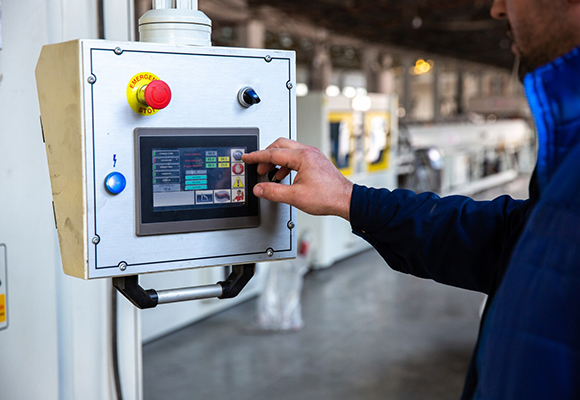
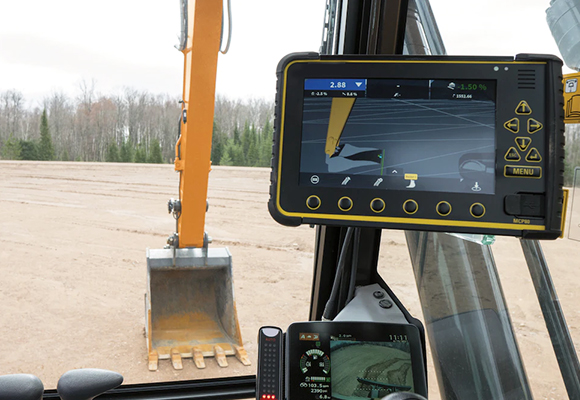
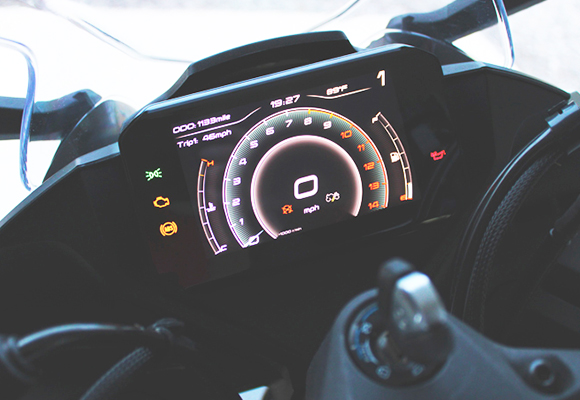
Suitable for control interfaces used in industrial automation equipment.
The compact structure and LVDS interface make the display easy to integrate into embedded electronic systems.
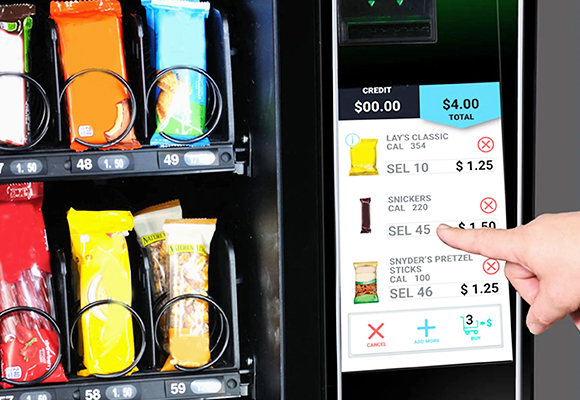
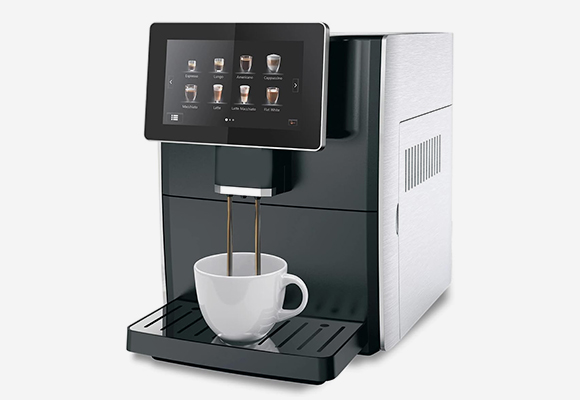
The display can be used in:
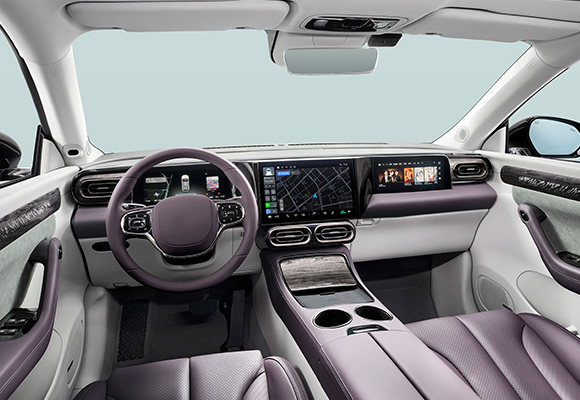
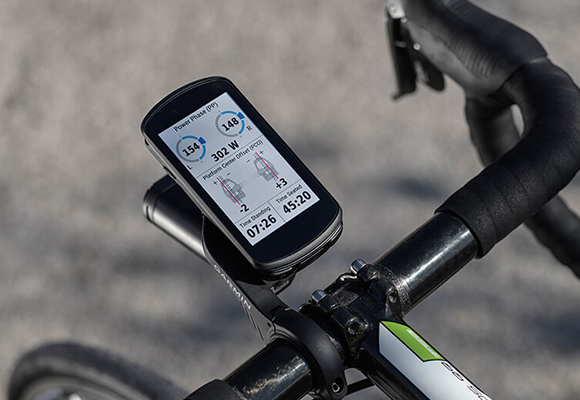
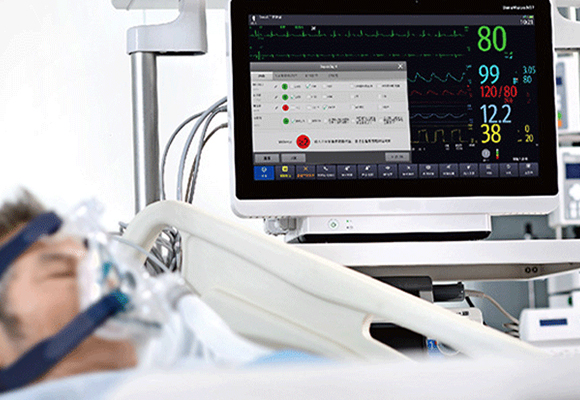
smart vending machines
industrial terminals
diagnostic devices
portable control equipment
The integrated touch structure simplifies system assembly for equipment manufacturers.
![]() | ![]() | ![]() | ![]() |
![]() | ![]() | ![]() | |
![]() | ![]() | ![]() | ![]() |
Why Choose In-Cell Touch Displays
In-cell touch displays integrate the touch-sensing layer directly within the LCD panel structure. Compared with traditional display + touch panel assemblies, this design offers several advantages.
The integrated structure reduces module thickness and overall device weight.
Without an additional touch panel layer, the display can achieve better optical clarity and reduced light reflection.
The touch signal path is shorter, allowing faster and more responsive interaction.
Equipment manufacturers can reduce assembly steps since the touch function is already integrated into the display module.
Customization Support
FANNAL supports customization for industrial display projects, including:
interface adaptation
Our engineering team can assist customers in adapting the display module for specific equipment requirements.
FAQ
Yes. Most in-cell touch displays require an external touch controller IC on the mainboard or a small controller board.
The display panel integrates the touch sensing electrodes inside the LCD structure, but the touch signal processing is typically handled by a dedicated controller from suppliers such as EETI or Microchip.
System designers should confirm controller compatibility during the integration stage.
Yes. In-cell touch technology removes the need for a separate touch sensor layer mounted on top of the LCD.
Because the touch sensing layer is integrated within the LCD panel itself, the total display stack becomes thinner and lighter.
This structure is particularly useful for compact industrial equipment, handheld devices and embedded control systems where internal space is limited.
A brightness level of 700 nits allows the display to remain readable in bright indoor environments and many semi-outdoor installations.
For full outdoor use under direct sunlight, system designers may additionally consider:
optical bonding
anti-reflective cover glass
higher brightness backlight options
These improvements can further enhance sunlight readability.
When integrating an LVDS display module, engineers typically need to verify:
LVDS channel configuration
signal voltage compatibility
timing parameters for the display controller
connector type and FPC layout
Proper firmware configuration of the display driver on the mainboard is also required to ensure correct image output.
Yes. Industrial display modules are commonly adapted for specific equipment designs.
Typical customization options include:
brightness adjustment
interface adaptation
cover glass integration
optical bonding
mechanical mounting design
Engineering evaluation is usually required to confirm compatibility with the target device.