FN0700D075A
7
-20~70
-30~80
280×1424
ALL
MIPI
450
Customizable
| Availability: | |
|---|---|
| Quantity: | |

General Specifications:
LCD size(inch): | 7.0 (Diagonal) |
Resolution: | 280(H)×1424(V) |
Pixel Pitch: | 0.120(H)x0.120(V) |
Active Area(mm): | 33.6(H)×170.88(V) |
LCD Outline(mm): | 38.2(W)x181.47(H)×3.4(D) |
Display Mode(mm): | Normally Black, Transmissive |
Interface: | MIPI |
| View angle(L/R/U/D): | ALL |
Power Supply(V): | 3.3 |
TFT Power Consumption(mW): | 1.1 |
| Luminance(cd/m²): | 450(Typ.) |
| Operating Temperature(°C): | -20~+70 |
Interface:
Pin No. | Symbol | I/O | Description |
1 | GND | P | Ground. |
2-4 | VDD | P | Supply analog voltage. |
5 | GND | P | Ground. |
6 | RESET | I | Reset signal input. |
7 | TE | I | Surves TE(Tearing Effect)pin on MPU interface. |
8-9 | GND | P | Ground. |
10 | D3N | I | MIPI Negative differential data signal. |
11 | D3P | I | MIPI Positive differential data signal. |
12 | GND | I | Ground. |
13 | D2N | I | MIPI DSI Negative differential data signal. |
14 | D2P | I | MIPI DSI Positive differential data signal. |
15 | GND | P | Ground. |
16 | CLKN | I | MIPI DSI Negative clock signal. |
17 | CLKP | I | MIPI DSI Positive clock signal. |
18 | GND | P | Ground. |
19 | D1N | I | MIPI DSI Negative differential data signal. |
20 | D1P | I | MIPI DSI Positive differential data signal. |
21 | GND | P | Ground. |
22 | D0N | I | MIPI DSI Negative differential data signal. |
23 | D0P | I | MIPI Positive differential data signal. |
24 | GND | P | Ground. |
25-26 | NC | - | No Connection. |
27-28 | LEDK | P | Power supply for LED cathode input. |
29-30 | LEDA | P | Power supply for LED anode input. |
Electrical Characteristics:
Parameter | Symbol: | Min. | Typ. | Max. | Unit |
Forward Current Voltage | VF | 21.0 | 25.6 | 27.5 | V |
Forward Current | If | - | 40 | - | mA |
The 7.0″ 280×1424 BAR‑TYPE TFT display is ideal for a wide range of industrial and embedded applications that require a compact, vertical form factor. Its bar type display design allows clear presentation of status bars, numeric readouts, and system information in limited spaces. Typical use cases include:
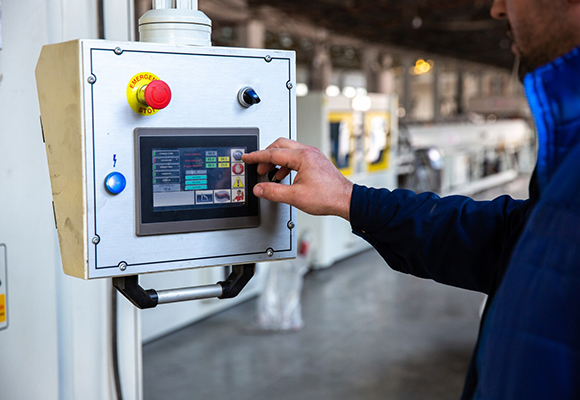
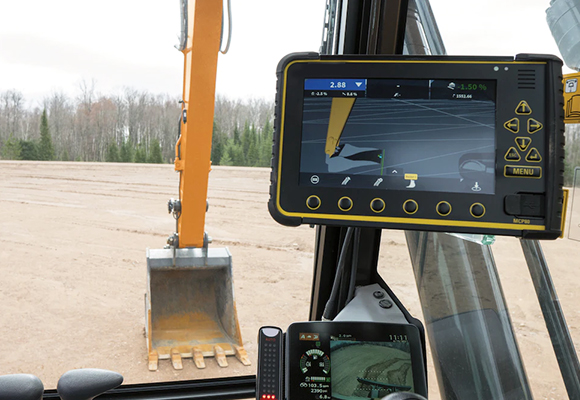
Industrial Control & HMI Panels – The vertical bar type display is perfect for showing process parameters, alerts, and machine status on PLC or automation panels.
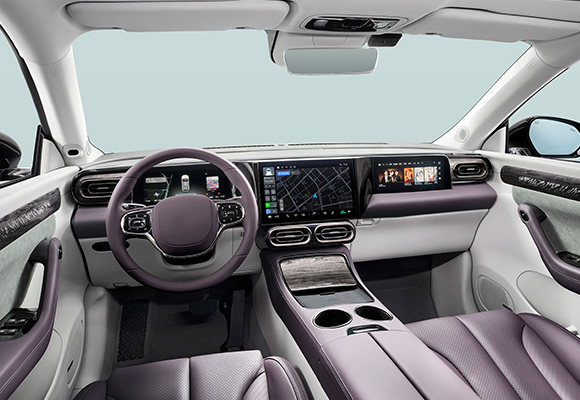
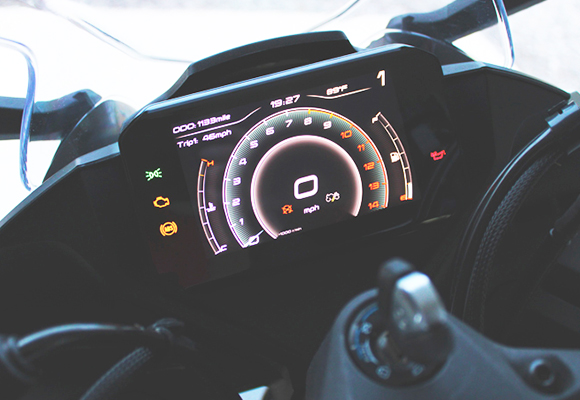
Automotive & Transportation Devices – Ideal for instrument clusters, dashboard indicators, or passenger information strips in buses and trains where a narrow, vertical display is preferred.
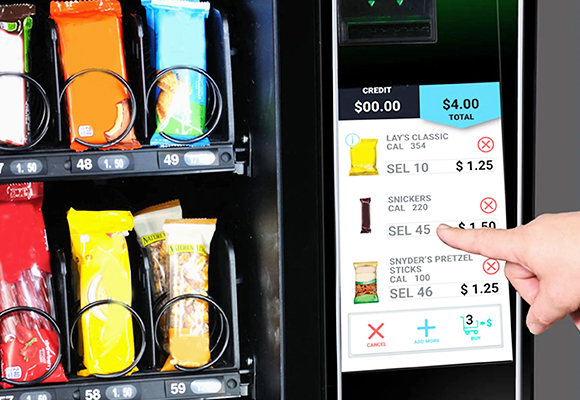
Retail & POS Terminals – Can serve as product information bars, price strips, or interface screens in POS systems, maximizing visual clarity in small form factors.
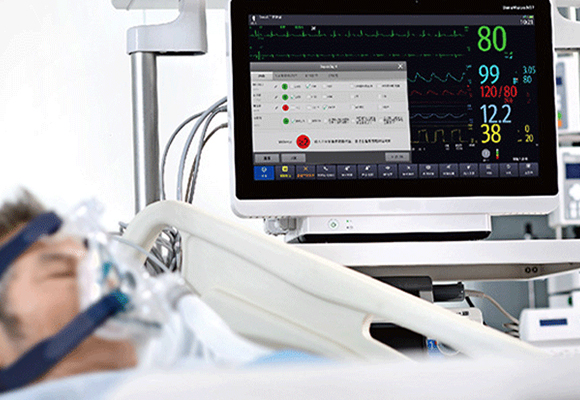
Medical & Laboratory Equipment – Suitable for vital sign monitors, analyzers, or lab instruments, where a vertical bar type display provides compact yet legible data visualization.
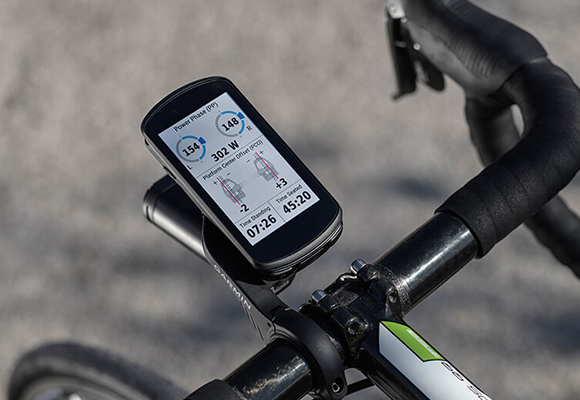
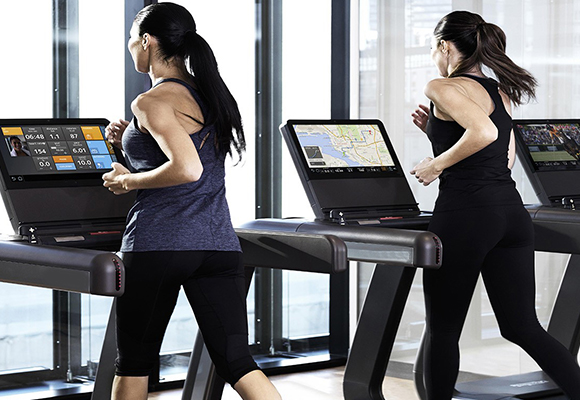
Embedded & Smart Devices – Perfect for smart home controls, fitness machines, or custom embedded systems that require a slim bar type display for menus, status, and operational feedback.
This 7.0″ bar type display combines medium brightness (450 cd/m²), wide viewing angles, and low power consumption (3.3 V), making it ideal for indoor or semi-indoor professional applications.


COVER LENS:
Shape: cut in special shape, Printing: Silk printing/Ceramic printing, Material: PMMA/Glass, Thickness: 0.55mm~10.0mm, Surface treatment: AG, AR, AF, AB.
Sensor:
Sensor made by FANNAL, Narrow bezel design, Thickness selectable.
FPC:
Required shape available, Touch IC selectable, Interface selectable.
Bonding:
Air bonding/optical bonding, low reflection, all one black effect.
TFT Display:
In-house manufacture/sunlight readable display/wide temperature display, IPS TFT display, Automotive-grade display.
Add-on:
backlight board, AD board, and wire sets.
![]() | Well-Experienced: 15 years of experience in TFT Displays, AMOLED Displays, Touch Displays, Capacitive Touchscreens, and Touch Monitors manufacturing. |
![]() | One-Stop Solution: Full in-house process for touch screen, display, and optical bonding |
![]() | Global Service: Italy, Germany, France, Spain, India, Japan, Singapore, and more — timely local support. |
![]() | Strong Background: Financially backed by SECO, a top European leader in embedded and display solutions. |
![]() | Reliable Supply: Our long-term supplier network ensures you receive consistent quality and reliable delivery, even in high-demand seasons. |
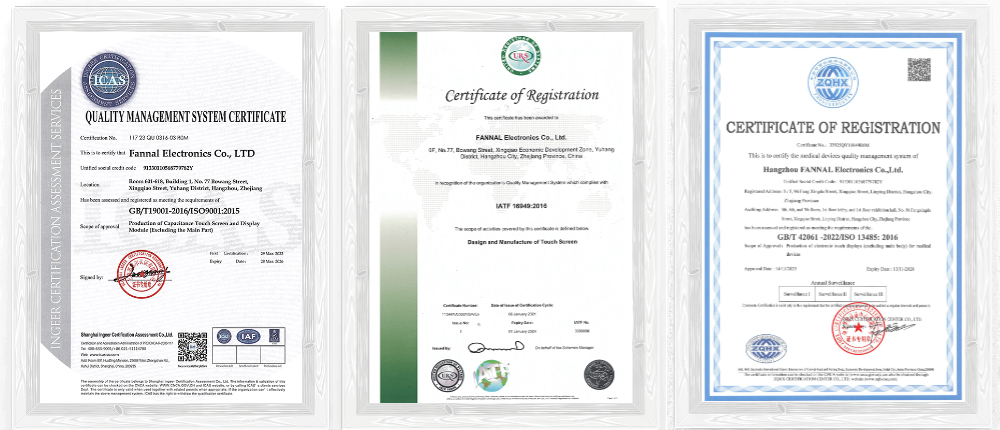
![]() | Quality Assurance: ISO 9001, ISO 14001, ISO 45001, ISO 13485 & IATF 16949 certified; REACH & RoHS compliant. |

FAQ
Q1: What is the typical use case for a 7.0" bar-type display?
A1: The 7.0″ 280×1424 bar-type display is commonly used for vertical information bars in industrial HMI panels, automotive dashboards, POS terminals, and embedded devices where compact vertical space is needed.
Q2: How should this bar type display be integrated via the MIPI interface?
A2: Ensure proper signal integrity with short, impedance-matched traces, correct voltage sequencing (3.3 V), and adherence to MIPI DSI timing specifications. Using a compatible controller is essential for stable operation.
Q3: Can multiple bar-type displays be used together in a multi-screen setup?
A3: Direct daisy-chaining is not supported. Multi-screen implementations require a controller or FPGA that can drive each MIPI interface independently.
Q4: What environmental or operational limits should be considered?
A4: The display operates from -20°C to +70°C and is optimized for indoor or semi-indoor environments. It is not suitable for direct outdoor sunlight, as the 450 cd/m² brightness is moderate.
Q5: What maintenance or handling precautions are recommended?
A5: Handle the display carefully to avoid ESD damage. Clean only with a soft, lint-free cloth; avoid abrasive or chemical cleaners that can damage the polarizer or protective layers. Mechanical stress on the thin bar-type form factor should also be minimized.