FN0600P001A
FANNAL
6
82.7*167.6
-20 ~ +70
-30 ~ +80
65.44*135.08
G+G
IIC
| Availability: | |
|---|---|
| Quantity: | |
Drawing
Specifications
Item | Specification | Unit | Remark |
TP Active Size | 6.0(Diagonal) | Inch | |
TP Outline Size | 82.70(H)x167.60(V)x3.90(T) | mm | |
View Area | 65.44(H)x135.08(V) | mm | |
Surface hardness | ≥7H | - | 750g |
Surface treatment | NA | - | |
Touch Transmittance | 82%Min | - | |
Touch Driver IC | mXT336U | - | |
Touch Points | 5(Desiccation) | - | |
Touch Mode | Finger | - | |
Touch Interface | IIC | - | |
IIC address | 0x41 | - | |
Operating Temperature | -20 ~ +70 | ℃ | |
Storage Temperature | -30 ~ +80 | ℃ | |
Humidity | 10%~90% | - |
Applications
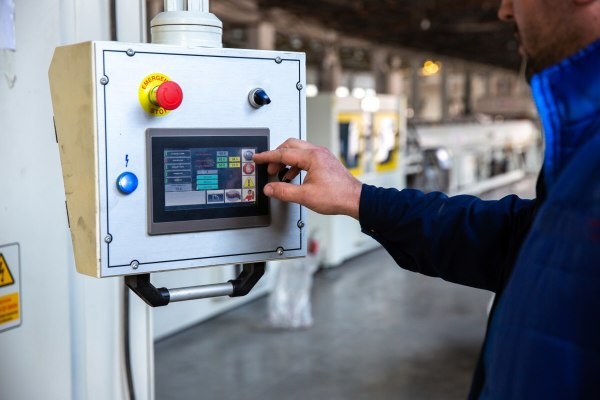
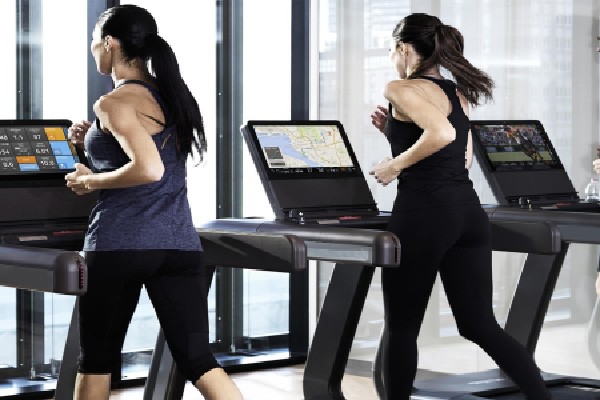
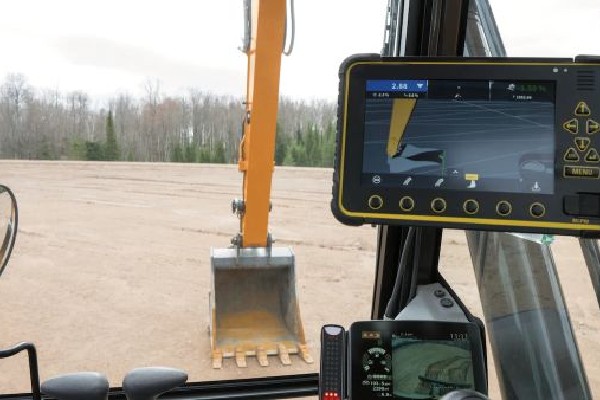
This rugged touch panel is well-suited for handheld industrial devices and portable field equipment. Its wide operating temperature range and humidity tolerance make it ideal for factory floor terminals, inventory management handhelds, and outdoor inspection devices that must perform reliably in harsh environments.
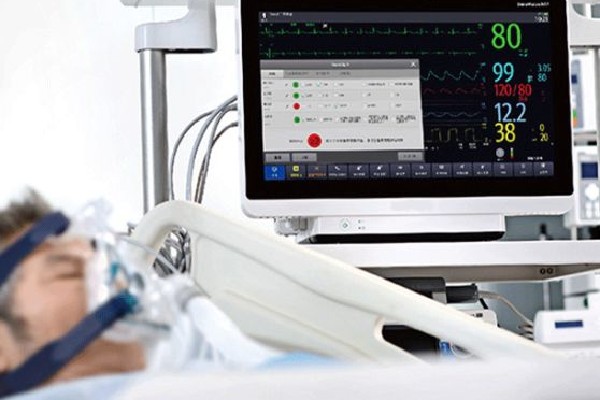
The panel's responsive 5-point touch and durable surface meet the demands of portable medical equipment. It can be integrated into patient monitoring devices, mobile diagnostic tools, and handheld healthcare terminals where hygiene, reliability, and ease of cleaning are essential.
Consumer & Portable Electronics
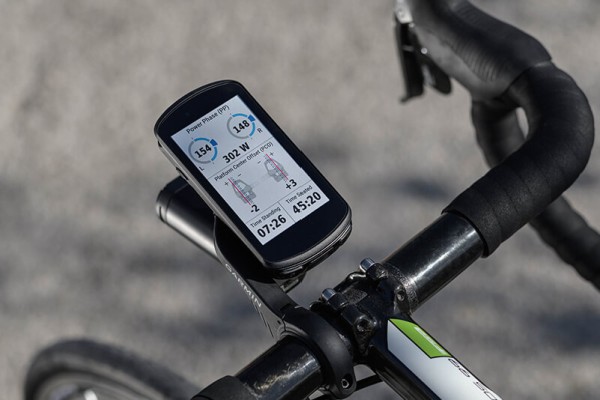
With its slim 3.9mm profile and excellent optical transmittance, this touch panel fits naturally into compact consumer devices. It is suitable for portable navigation systems, e-readers, gaming handhelds, and other personal electronics where user experience and visual clarity matter.
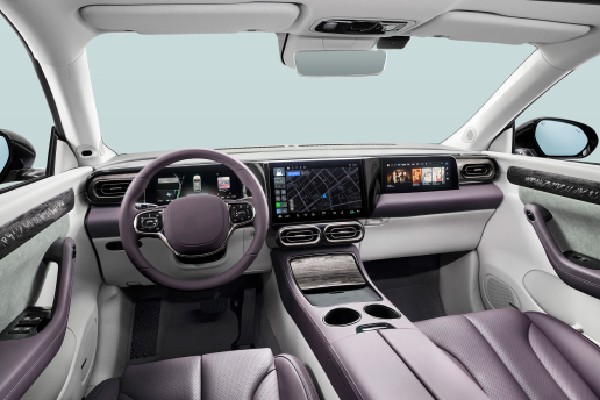
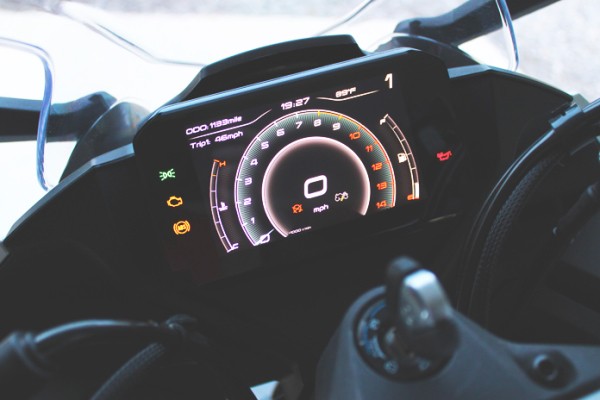
The extended temperature capabilities and robust construction support use in vehicle-mounted displays, fleet management terminals, and transportation ticketing systems. It maintains consistent touch performance whether in freezing conditions or hot summer environments.
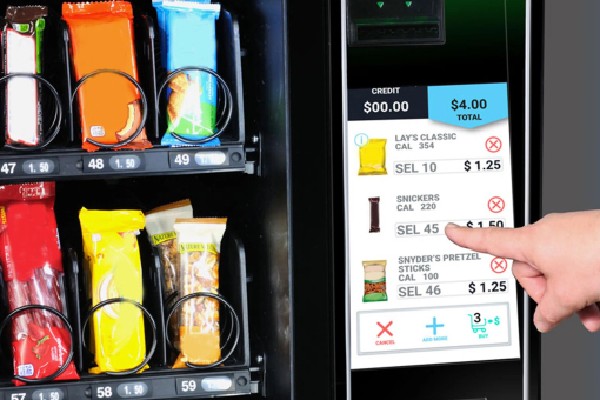
This panel enables interactive self-service solutions for retail and hospitality settings. From compact POS terminals to information kiosks and ordering systems, its multi-touch capability supports engaging customer interactions while the durable surface withstands heavy daily use.
Customization – Engineering-Driven Options
FANNAL provides extensive customization to match automotive and industrial integration requirements.
Sizes up to 65", structures G+G or G+F+F
Supports multi-touch, glove touch, water-resistant, gesture & palm rejection
Industrial Grade: –20°C ~ +70°C; Automotive Grade: –30°C ~ +85°C
In-house firmware tuning and optimization
Trusted IC partners: Microchip, EETI, ILITEK, FocalTech, GOODiX, Cypress
High reliability, anti-interference, EMC engineered
Materials: Glass (0.55–10mm), PMMA (0.5–3.0mm), PC (0.1–1.0mm)
Design options: CNC shaping, hot bending, 2.5D/3D glass, ceramic printing
Surface treatments: AG / AR / AF, anti-microbial, anti-explosion
Type | Size Range | Notes |
|---|---|---|
OCA | Up to 15.6" | High-volume production |
LOCA/OCR | Up to 32" | High contrast and durability |
Silicone | Up to 32" | Rugged automotive/industrial use |
Tailored FPC/connector shape, length, pin definitions
EMI shielding and optimized signal transmission
Supports multiple signal conversions: SPI, MCU, RGB, MIPI, LVDS, eDP
About FANNAL
![]() | Well-Experienced: 15 years of experience in TFT Displays, AMOLED Displays, Touch Displays, Capacitive Touchscreens, and Touch Monitors manufacturing. |
![]() | One-Stop Solution: Full in-house process for touch screen, display, and optical bonding |
![]() | Global Service: Italy, Germany, France, Spain, India, Japan, Singapore, and more — timely local support. |
![]() | Strong Background: Financially backed by SECO, a top European leader in embedded and display solutions. |
![]() | Reliable Supply: Our long-term supplier network ensures you receive consistent quality and reliable delivery, even in high-demand seasons. |
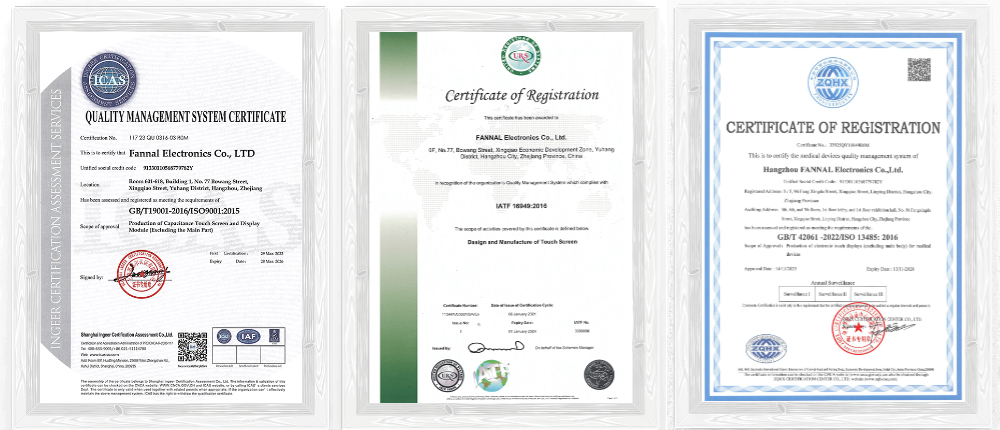
![]() | Quality Assurance: ISO 9001, ISO 14001, ISO 45001, ISO 13485 & IATF 16949 certified; REACH & RoHS compliant. |
Certificates
Frequently Asked Questions
Q1: What is the difference between mXT336U and other capacitive touch controllers for industrial applications?
The Atmel mXT336U offers superior noise suppression and self-calibration compared to generic controllers. It supports 5-point multi-touch with dedicated gesture recognition, reducing host MCU processing load. For industrial deployments, this means stable operation near VFD drives and power electronics where electrical interference is common—unlike basic controllers that require additional shielding.
Q2: Can this 6.0-inch touch panel operate reliably in outdoor environments with extreme temperatures?
Yes, the -20°C to +70°C operating range supports outdoor industrial use, though direct sunlight exposure requires additional brightness enhancement or optical bonding. The -30°C to +80°C storage rating ensures survival during shipping and seasonal shutdowns. For continuous outdoor operation, consider adding anti-reflective coating and UV-resistant overlay as secondary protection.
Q3: Why does this panel use I2C instead of USB for touch communication?
I2C at 0x41 address provides deterministic latency essential for real-time industrial HMI systems, whereas USB introduces variable polling delays. I2C also simplifies integration with ARM Cortex-M and RTOS-based controllers without USB host stack complexity. The trade-off is shorter cable runs—keep I2C traces under 30cm or use differential buffering for longer distances.
Q4: Is 7H surface hardness sufficient for heavy industrial usage?
7H hardness (750g load) resists scratches from keys, tools, and abrasive particles found in manufacturing floors. However, it is not impact-rated—for environments with flying debris or potential collisions, add a tempered glass overlay or polycarbonate shield. The untreated surface also allows customization with AG (anti-glare) or AF (anti-fingerprint) coatings post-purchase.
Q5: How does 82% touch transmittance affect display readability in bright conditions?
82% minimum transmittance maintains acceptable display clarity for indoor and shaded industrial settings. In high-ambient-light environments (>10,000 lux), this becomes a limiting factor—pair with >1000 cd/m² backlight displays or specify optical bonding to reduce internal reflections. For outdoor kiosks or vehicle dashboards, consider upgrading to >90% transmittance panels with AR coating.