FN0430T067B
FANNAL
4.3
171.31*91.31*4.78
95.04*53.86
-30~80
-30~80
G+G
480*272
ALL
RGB 24bit
1200
| Availability: | |
|---|---|
| Quantity: | |
This 4.3-inch high-brightness TFT display combines a 480 × 272 LCD with a chemically strengthened cover glass and OCA optical bonding. With 1200 cd/m² typical luminance, 88% minimum light transmittance, and an operating temperature range of -30°C to +80°C, it is designed for equipment that requires high display brightness and a protected front surface.
This model uses a TFT + cover glass structure without a touch sensor, making it suitable when touch functionality is not required but enhanced optical performance and front-surface protection are needed.
4.3-inch 480 × 272 TFT display for compact embedded equipment
1200 cd/m² typical luminance, 1000 cd/m² minimum for high-brightness applications
OCA optical bonding between the TFT and cover glass
88% minimum light transmittance to preserve display brightness through the cover
Chemically strengthened 1.8 mm cover glass for front-surface protection
G+G glass structure combining the cover glass and display glass
RGB 24bit TFT interface for embedded system integration
-30°C to +80°C operating temperature for demanding environmental conditions
RoHS 2.0, REACH, and HF compliant
No touch sensor or touch controller, providing a display-focused configuration
PARAMETER | DESCRIPTION |
SIZE | 4.3 INCH |
RESOLUTION RATIO | 480*272 |
TPM LUMINANCE | 1200 Typ. 1000 Min |
TFT INTERFACE | RGB 24bit |
TFT DRIVER BRAND | ILI Technology (Ilitek) |
TFT POWER SUPPLY | 3.3V |
SURFACE HARDNESS | 7H Min |
LIGHT TRANSMITTANCE | 88% Min |
UNIFORMITY | 80% Min |
STRCTURE | G+G |
COVER THICKNESS | 1.8 |
UNMARKED TOLERANCE | ±0.3/±1° |
BONDING TYPE | OPTICAL BONDING |
BONDING MATERIAL | OCA |
COVER ENHANCEMENT METHOD | CHEMICAL STRENGTHENING |
ENVIRONMENTAL REQUIREMENTS | RoHS-2.0, REACH, HF |
OPERATION TEMPERATURE | -30 ~ +80 |
STORAGE TEMPERATURE | -30 ~ +80 |
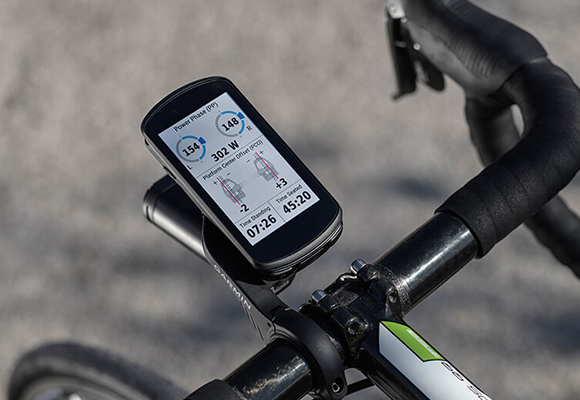
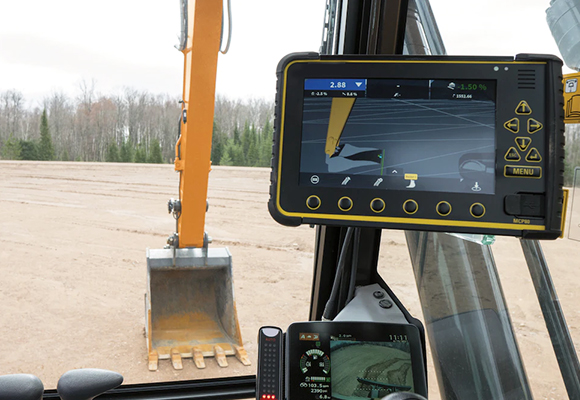
Outdoor equipment displays — high-brightness visual interfaces where ambient light can affect readability
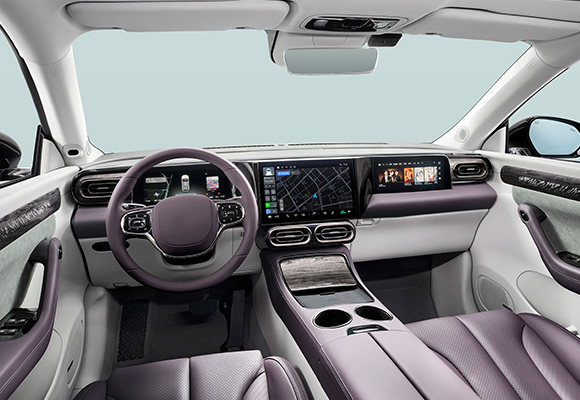
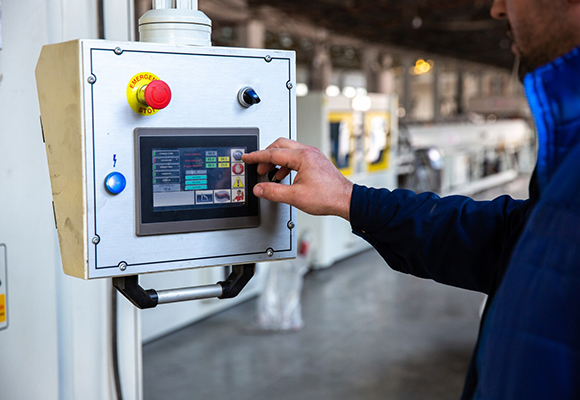
Industrial equipment — machine status, operating parameters, and visual indicators
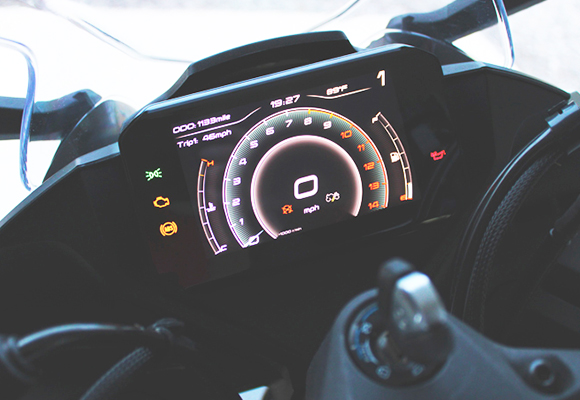
Transportation equipment — compact information displays exposed to changing ambient conditions
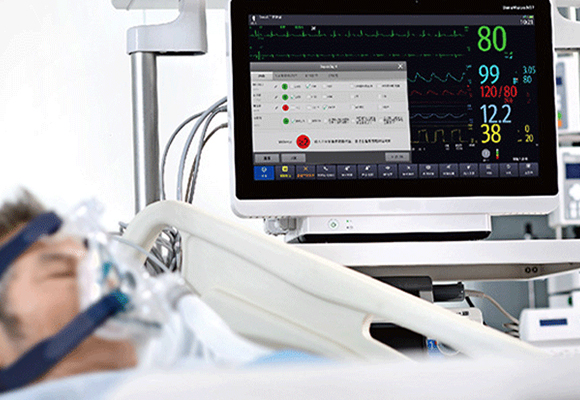
Instrumentation — high-visibility readouts for measurement and monitoring equipment
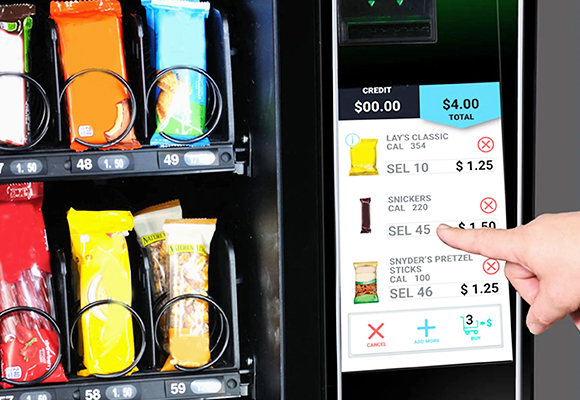
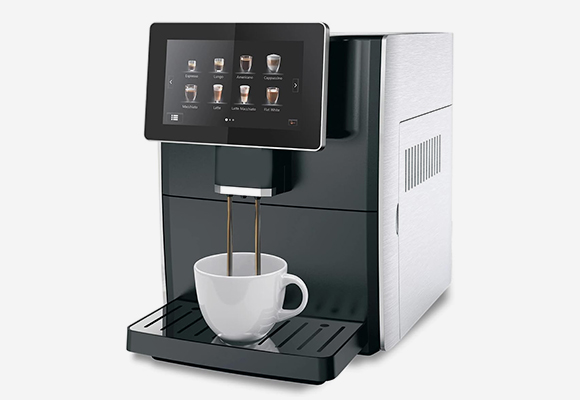
Embedded control systems — applications requiring a protected display surface without touch functionality
Rugged equipment interfaces — equipment requiring both high brightness and a strengthened front cover
• Size range: 1.77" to 15.6"
• Trusted panel partners: BOE, INNOLUX, JDI, Hannstar, CTC, TCL, and TIANMA.
• Panel types: IPS / TN / LTPS
• Operation Temperature: Industrial (-20 ~ 70°C), Automotive (-30 ~ 85°C)
• Tailored shape, length, and PIN definitions for full compatibility.
• EMI shielding and circuit optimisation.
• Supports multiple conversions: SPI, MCU, RGB, MIPI, LVDS, EDP
• Module material options: metal/plastic/metal–plastic integration
• High brightness up to 30,000 cd/m², ideal for outdoor or industrial use.
• Long lifetime up to 50,000 hours.
• Options: RGB / VGA / HDMI / LVDS / DVI / Type-C
• Fully compatible with custom TFT and LCD modules.
• Optimised design for stable image transmission and performance.
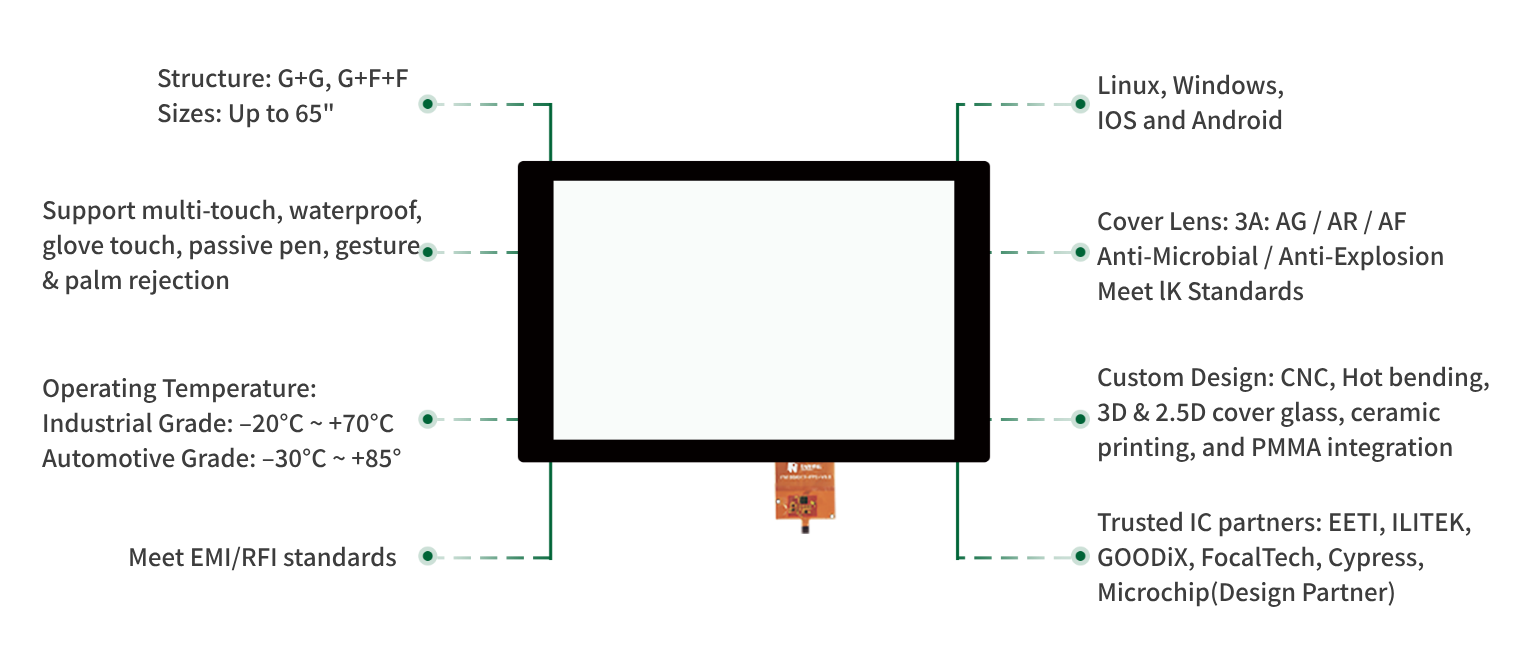
• Available Sizes: Up to 65"
• Structure Options: G+G, G+F+F, designed for industrial and automotive applications
• Touch Functions: Supports multi-touch, waterproof, glove touch, passive pen, gesture & palm rejection
• Operating Temperature:
Industrial Grade: –20°C ~ +70°C
Automotive Grade: –30°C ~ +85°
• Touch tuning and firmware optimization provided by FANNAL (in-house FW design)
• Trusted IC partners: EETI, ILITEK, GOODiX, FocalTech, Cypress, Microchip(FANNAL's Design Partner)
• High Reliability: Excellent anti-interference and long-term stability
• EMC Design: Full electromagnetic compatibility engineering to meet EMI/RFI and industrial standards
• Material Options:
Glass: 0.55mm–10.0mm
PMMA: 0.5mm–3.0mm
PC: 0.1mm–1.0mm
• Custom Design: CNC, Hot bending, 3D & 2.5D cover glass, ceramic printing, and PMMA integration
• Surface Treatments:
3A: AG / AR / AF
Anti-Microbial / Anti-Explosion
Optical Bonding | Size Range | Notes |
OCA | Up to 15.6” | Two fully automated production lines for high-volume manufacturing |
LOCA / OCR | Up to 32” | Excellent for high contrast and durability |
Silicone | Up to 32” | Ideal for rugged, large-size industrial applications |
1. Does this model include a touch function?
No. This model is configured as a TFT display with a cover glass and does not include a touch sensor or touch controller. It is intended for applications where touch input is not required.
2. What makes this display suitable for high-ambient-light environments?
The module provides 1200 cd/m² typical luminance and 1000 cd/m² minimum, combined with OCA optical bonding and 88% minimum light transmittance. These characteristics help maintain display visibility when ambient light is relatively strong. Actual outdoor readability also depends on the installation environment and viewing conditions.
3. Why is OCA optical bonding used on a non-touch display?
Optical bonding is not limited to touch displays. Here, OCA bonds the TFT and cover glass to reduce the internal air gap, which can help reduce reflections and improve optical integration between the display and front cover.
4. Why use a cover glass if touch is not required?
The cover glass provides a strengthened front surface and can protect the display from physical contact and environmental exposure. This configuration is useful when equipment needs a more robust front surface but does not need touch input.
5. Can this display operate in low-temperature environments?
Yes. The specified operating temperature is -30°C to +80°C, making it suitable for equipment exposed to a wider temperature range than typical indoor display applications. System-level thermal design should still be evaluated according to the complete equipment environment.
6. Can FANNAL customize the cover glass or optical structure for a project?
Yes. For customized display projects, cover glass dimensions, thickness, surface treatment, optical bonding, and other display parameters can be evaluated according to the equipment's mechanical and optical requirements.