FN1040T018A
FANNAL
10.4
282.9(H) x 237(V) x 10.94(T)
-20~70
-30~80
211.43(H) x 158.82(V)
G+G
1024 x 768
LVDS
IIC
700
| Quantity: | |
|---|---|
Item / Property |
Specification / Requirement |
Unit |
TPM Active Size / Size |
10.4 (Diagonal) |
Inch |
TPM Outline Size |
282.9(H) x 237(V) x 10.94(T) |
mm |
View Area |
211.43(H) x 158.82(V) |
mm |
TFT Resolution / Resolution Ratio |
1024 x 768 |
- |
TFT Surface Luminance |
700 (Typ.) / 550 (Min.) |
$\text{cd/m}^2$ |
TFT Interface |
LVDS |
- |
Power Supply of TFT |
3.3 |
V |
Structure |
G+G |
- |
Cover Lens Thickness |
3.0 (Chemically strengthened) |
mm |
Glass Sensor Thickness |
0.55 |
mm |
Pattern of Sensor |
Diamond |
- |
Channels of Sensor |
TX23 * RX30 |
- |
Pitch of Sensor |
6.99 * 7.11 |
- |
X-Y gap of Sensor |
0.5 |
- |
Shield track |
Yes |
Yes/No |
Bonding Type |
Air bonding |
- |
Bonding Material |
Double-sided tape |
- |
Light / Touch Transmittance |
85% Min |
- |
Touch Driver IC / Touch IC |
ILITEK |
- |
Touch Points / No. of Touch |
5 (Desiccation) |
- |
Touch Mode |
Finger |
- |
Touch Interface |
IIC |
- |
IIC Address |
0x41 |
- |
Power Supply of Touch |
5 |
V |
Surface Hardness |
≥7H |
- |
Operating Temperature |
-20 ~ +70 |
°C |
Storage Temperature |
-30 ~ +80 |
°C |
Humidity |
10% ~ 90% |
- |
Environmental Requirements |
RoHS |
- |
TFT Part Number |
FN1040D002A |
Pcs |
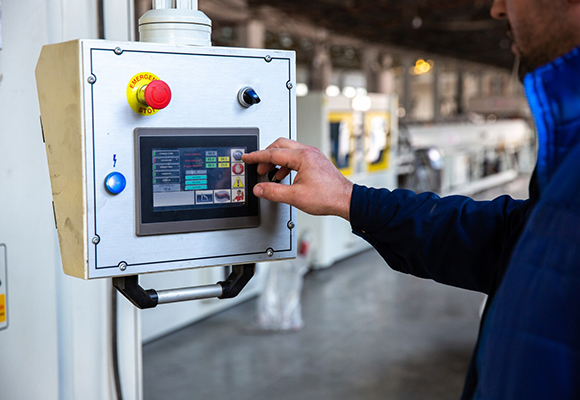
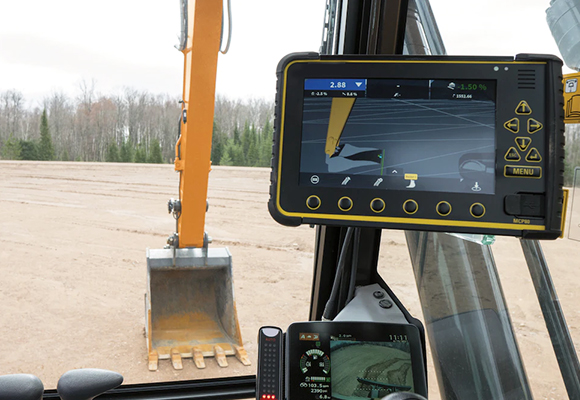
Suitable for factory automation interfaces, machine control panels, and embedded operator terminals requiring stable touch operation under extended temperature conditions.
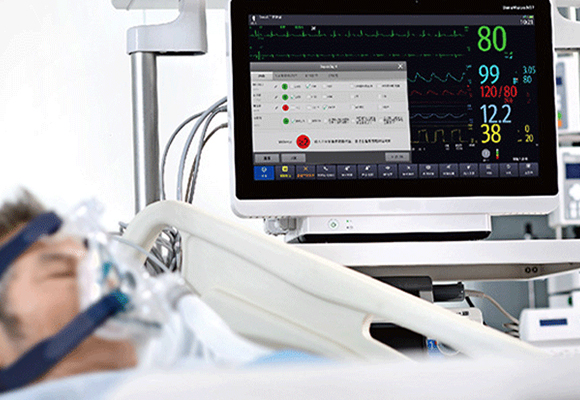
Applicable for medical analyzers, laboratory instruments, and monitoring systems where reliable touch interaction and long lifecycle support are important.
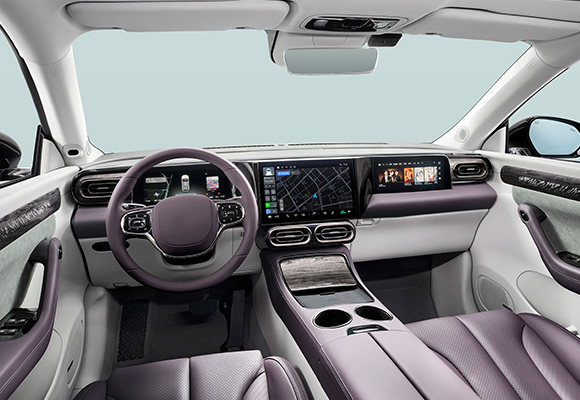
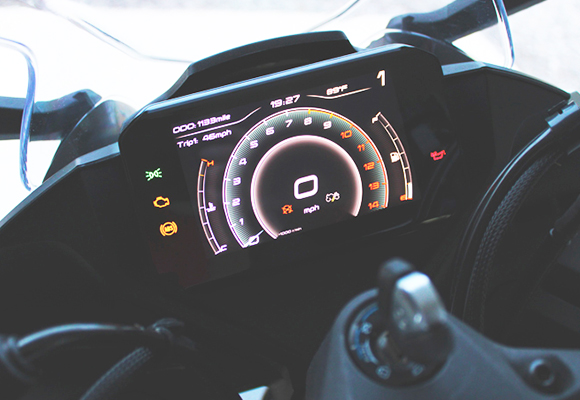
The brightness and temperature specifications make the display more suitable for transportation terminals, utility vehicles, and equipment exposed to wider environmental fluctuations.
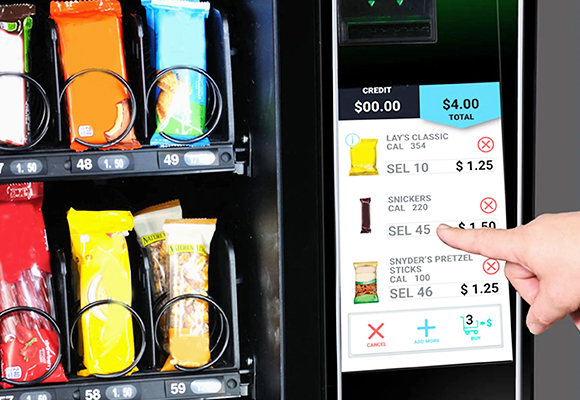
Can be used in semi-outdoor kiosks or industrial equipment with shaded installation conditions. For direct sunlight exposure, optical bonding may still be recommended.
The LVDS display interface and IIC touch communication simplify integration with many industrial SBCs and embedded computing platforms.
To meet diverse integration needs, we offer extensive customisation for you, including:
• Size range: 1.77" to 15.6"
• Trusted panel partners: BOE, INNOLUX, JDI, Hannstar, CTC, TCL, and TIANMA.
• Panel types: IPS / TN / LTPS
• Operation Temperature: Industrial (-20 ~ 70°C), Automotive (-30 ~ 85°C)
• Tailored shape, length, and PIN definitions for full compatibility.
• EMI shielding and circuit optimisation.
• Supports multiple conversions: SPI, MCU, RGB, MIPI, LVDS, EDP
• Module material options: metal/plastic/metal–plastic integration
• High brightness up to 30,000 cd/m², ideal for outdoor or industrial use.
• Long lifetime up to 50,000 hours.
• Options: RGB / VGA / HDMI / LVDS / DVI / Type-C
• Fully compatible with custom TFT and LCD modules.
• Optimised design for stable image transmission and performance.
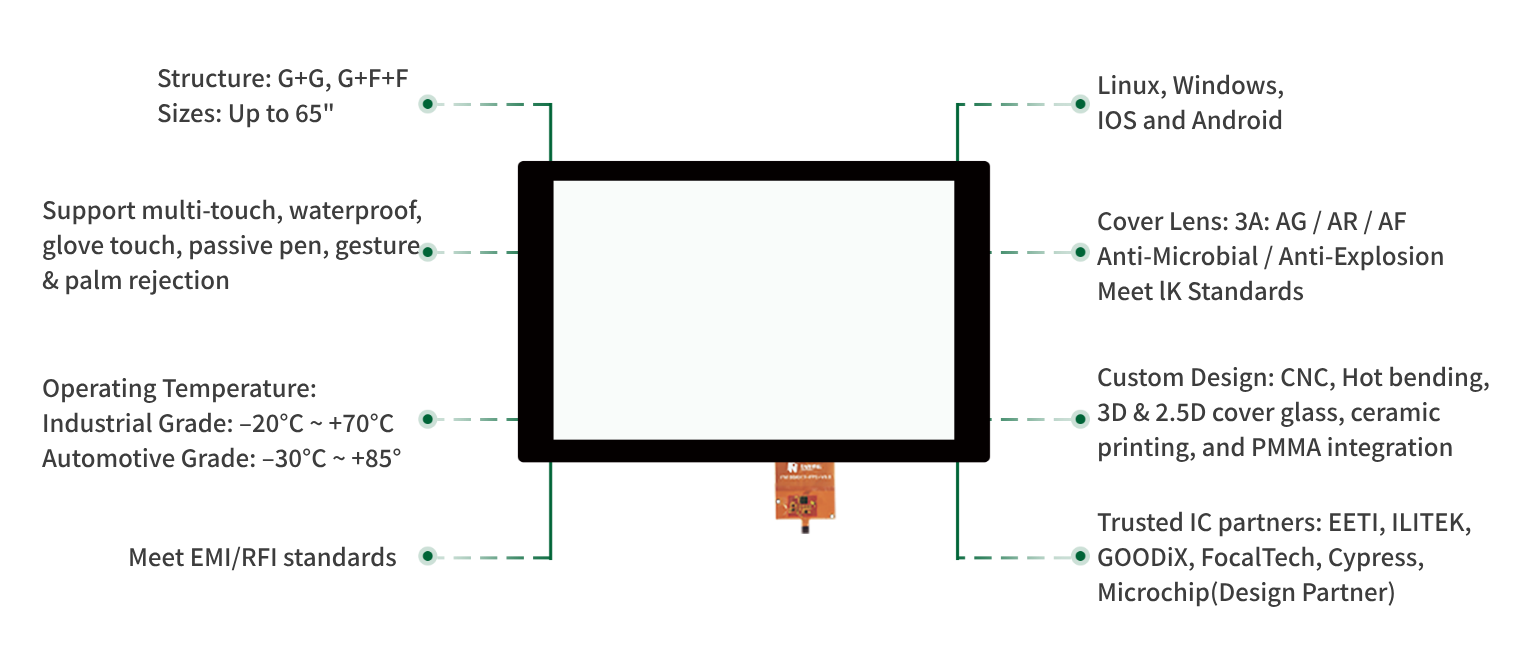
• Available Sizes: Up to 65"
• Structure Options: G+G, G+F+F, designed for industrial and automotive applications
• Touch Functions: Supports multi-touch, waterproof, glove touch, passive pen, gesture & palm rejection
• Operating Temperature:
Industrial Grade: –20°C ~ +70°C
Automotive Grade: –30°C ~ +85°
• Touch tuning and firmware optimization provided by FANNAL (in-house FW design)
• Trusted IC partners: EETI, ILITEK, GOODiX, FocalTech, Cypress, Microchip(FANNAL's Design Partner)
• High Reliability: Excellent anti-interference and long-term stability
• EMC Design: Full electromagnetic compatibility engineering to meet EMI/RFI and industrial standards
• Material Options:
Glass: 0.55mm–10.0mm
PMMA: 0.5mm–3.0mm
PC: 0.1mm–1.0mm
• Custom Design: CNC, Hot bending, 3D & 2.5D cover glass, ceramic printing, and PMMA integration
• Surface Treatments:
3A: AG / AR / AF
Anti-Microbial / Anti-Explosion
Optical Bonding |
Size Range |
Notes |
OCA |
Up to 15.6” |
Two fully automated production lines for high-volume manufacturing |
LOCA / OCR |
Up to 32” |
Excellent for high contrast and durability |
Silicone |
Up to 32” |
Ideal for rugged, large-size industrial applications |