FN1010D043B
FANNAL
10.1
222.72(H)×125.28(V)
-20~70
-30~80
1024x600
ALL
LVDS
300
Customizable
| Availability: | |
|---|---|
| Quantity: | |
10.1" TFT Display 1024×600
Compact 10.1-inch module with 1024×600 resolution — balances screen area and pixel density for readable text, graphs, and control UI in compact HMIs.
LVDS Interface for Stable Integration
Standard LVDS signaling offers low-noise, robust data transmission for industrial motherboards, embedded controller,s and single-board computers.
Wide Viewing Direction (ALL)
The display provides consistent image quality across wide viewing angles so multiple operators or off-angle viewers see stable color and contrast.
Industrial Temperature Range
Rated to operate from -20 °C to +70 °C and store from -30 °C to +80 °C, suitable for typical industrial equipment and indoor vehicle cabins.
Standard Brightness (300 cd/m²)
300 cd/m² is optimized for indoor and controlled-lighting environments — factory floors, control rooms and instrument panels. (For sunlight-readable needs, consider backlight upgrade options.)
Touch Integration Available
Touch panel options are customizable — add resistive/PCAP touch or cover glass per project requirements for HMI or kiosk use.
Customization & Add-Ons
Supports optical bonding (OCA/OCR), protective cover glass, brightness tuning, mechanical dimension adjustments and custom driver/AD-board integration.

| Parameter | Specification | Unit |
| LCD size | 10.1 (Diagonal) | inch |
| Number Of Pixels | 1024(H)×600(V) | pixels |
| Pixel Pitch | 0.2175(H)×0.2088(V) | mm |
| Active Area | 222.72(H)×125.28(V) | mm |
| Module Size | 232.78(W)×136.34(H)×3.0(D) | mm |
| Display Mode | Normally Black, Transmissive | |
| Interface | LVDS | |
| View Direction | ALL | Clock |
| Display Colors | 16.7M | colors |
| Power Supply | 3.3 | V |
| Power Consumption | LCD: 0.45W Typ. (@VDD=3.3V) Backlight: 2.3W Typ. (@IF=180mA) | W |
| Weight | 175(Typ.) | g |
| Luminance | 300(Typ.) | cd/m2 |
| Driver IC | HX8282+HX869 | |
| Pin No. | Symbol | I/O | Description |
| 1 | NC | - | No connection. |
| 45691 | VDD | P | Supply analog voltage. |
| 45753 | NC | - | No connection. |
| 7 | GND | P | Ground. |
| 8 | RXIN0N | I | LVDS Negative differential data signal. |
| 9 | RXIN0P | LVDS Positive differential data signal. | |
| 10 | GND | P | Ground. |
| 11 | RXIN1N | I | LVDS Negative differential data signal. |
| 12 | RXIN1P | I | LVDS Positive differential data signal. |
| 13 | GND | P | Ground. |
| 14 | RXIN2N | I | LVDS Negative differential data signal. |
| 15 | RXIN2P | I | LVDS Positive differential data signal. |
| 16 | GND | P | Ground. |
| 17 | RXCLKN | I | LVDS Negative clock signal. |
| 18 | RXCLKP | I | LVDS Positive clock signal. |
| 19 | GND | P | Ground. |
| 20 | RXIN3N | I | LVDS Negative differential data signal. |
| 21 | RXIN3P | I | LVDS Positive differential data signal. |
| 22 | GND | P | Ground. |
| 23-24 | NC | - | No connection. |
| 25 | GND | Ground. | |
| 26-28 | NC | - | No connection. |
| 29 | AVDD/NC | - | No connection. |
| 30 | GND | P | Ground. |
| 31-32 | LEDK | P | Power supply for LED cathode input. |
| 33-34 | NC | - | No connection. |
| 35 | VGL/NC | - | No connection. |
| 36-37 | NC | - | No connection. |
| 38 | VGL/NC | - | No connection. |
| 39-40 | LEDA | P | Power supply for LED anode input. |
| Parameter | Symbol | Min. | Typ. | Max. | Unit |
| Power Supply Voltage | VDD | 2.3 | 3.3 | 3.6 | V |
| Power Supply current | IDD | - | 136 | 170 | mA |
| Input logic high voltage | VIH | 0.7VDD | - | VDD | V |
| Input logic low voltage | VIL | 0 | - | 0.3VDD | V |
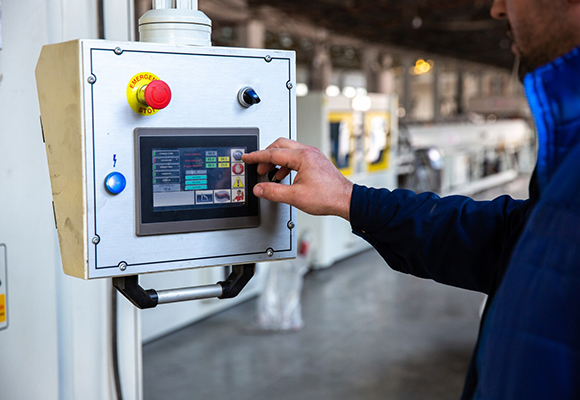
Why this fits: LVDS for robust signal in noisy environments; 10.1" TFT Display / 1024×600 provides enough area for controls and status displays; -20~70°C suits factory conditions; wide viewing helps multiple operators.
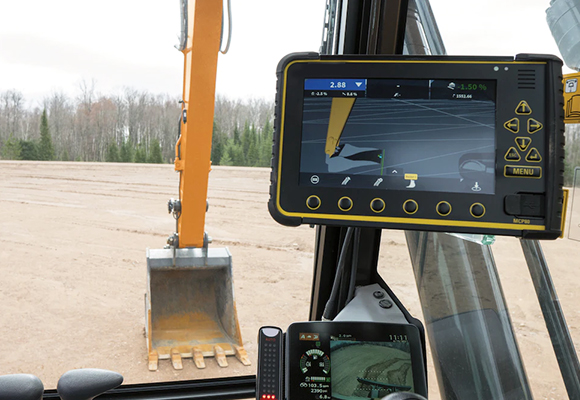
Examples: local PLC operator panel, production line status display, machine control console.
Why: Compact format + readable resolution for instrument readouts and menus; LVDS eases integration to embedded host boards; 300 cd/m² is sufficient for indoor lab/bench environments.
Examples: handheld analyzers (indoor use), benchtop testers, portable calibration tools.
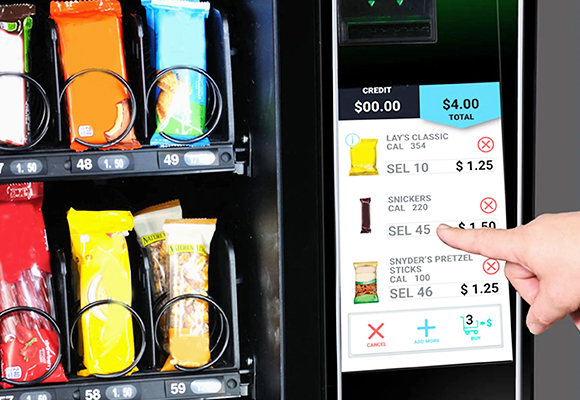
Why: 300 cd/m² is OK for indoor or shaded semi-outdoor placements; IPS/wide viewing preserves visibility for multiple users; touch customization enables interactive kiosks.
Examples: indoor ticketing kiosks, in-store info terminals, check-in panels.
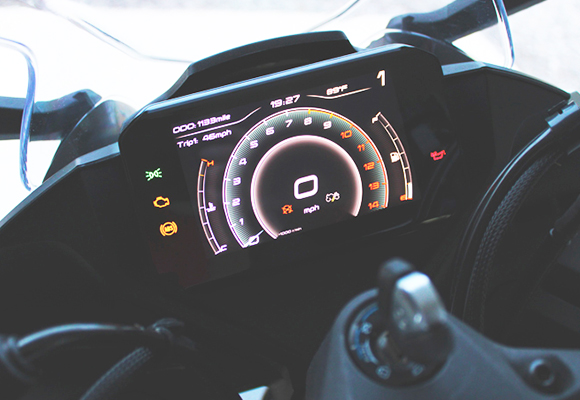
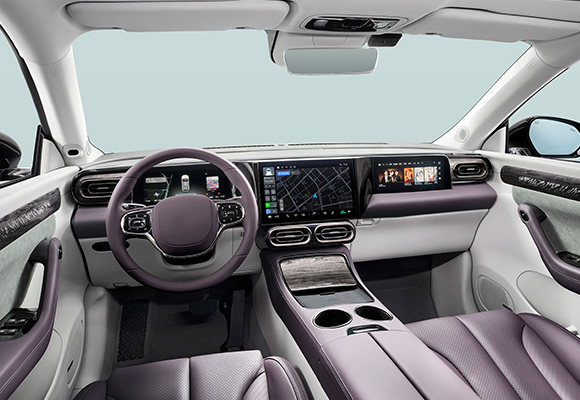
Why: Operating temperature and LVDS interface make it suitable for interior vehicle use where direct sunlight is limited (e.g., instrument cluster supplements, passenger information displays).
Examples: secondary dash screens, in-cab controller, EV/utility vehicle console (interior).
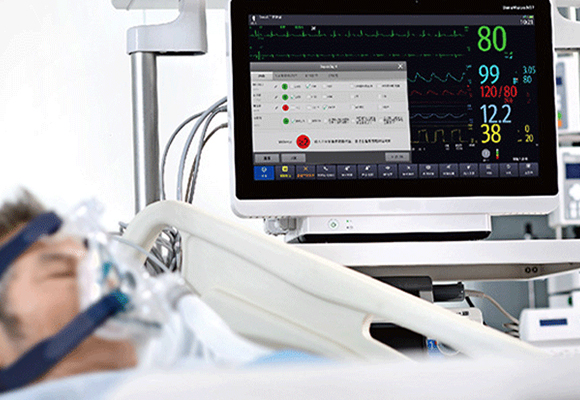
Why: Wide viewing + stable colors support clinical UIs; 300 cd/m² is appropriate for indoor clinical lighting; cover glass and touch options support hygiene and interaction needs.
Examples: diagnostic device front panel, lab instrument UI, nurse station control panel.
![]() | ![]() | ![]() | ![]() |
![]() | ![]() | ![]() | ![]() |
![]() | ![]() | ![]() | ![]() |
To meet diverse integration needs, we offer extensive customisation for you, including:
• Size range: 1.77" to 15.6"
• Trusted panel partners: BOE, INNOLUX, JDI, Hannstar, CTC, TCL, and TIANMA.
• Panel types: IPS / TN / LTPS
• Operation Temperature: Industrial (-20 ~ 70°C), Automotive (-30 ~ 85°C)
• Tailored shape, length, and PIN definitions for full compatibility.
• EMI shielding and circuit optimisation.
• Supports multiple conversions: SPI, MCU, RGB, MIPI, LVDS, EDP
• Module material options: metal/plastic/metal–plastic integration
• High brightness up to 30,000 cd/m², ideal for outdoor or industrial use.
• Long lifetime up to 50,000 hours.
• Options: RGB / VGA / HDMI / LVDS / DVI / Type-C
• Fully compatible with custom TFT and LCD modules.
• Optimised design for stable image transmission and performance.
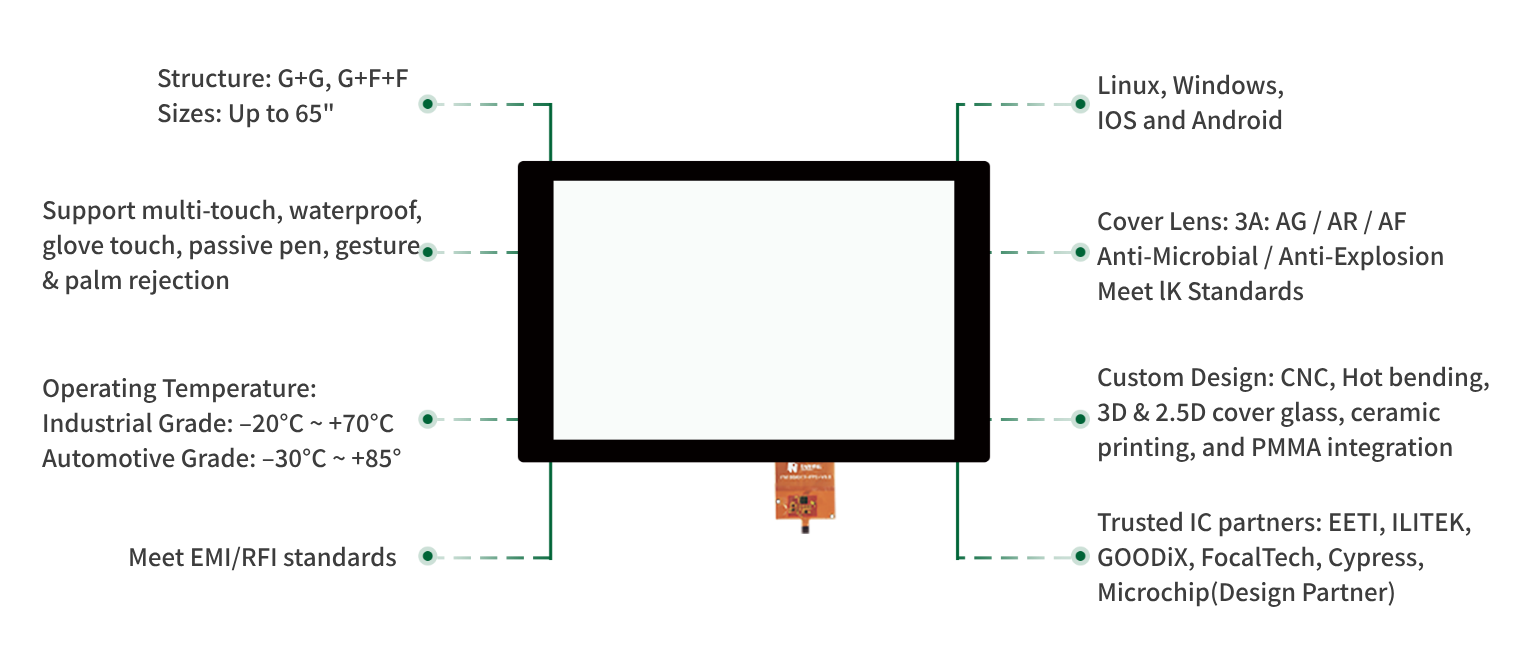
• Available Sizes: Up to 65"
• Structure Options: G+G, G+F+F, designed for industrial and automotive applications
• Touch Functions: Supports multi-touch, waterproof, glove touch, passive pen, gesture & palm rejection
• Operating Temperature:
Industrial Grade: –20°C ~ +70°C
Automotive Grade: –30°C ~ +85°
• Touch tuning and firmware optimization provided by FANNAL (in-house FW design)
• Trusted IC partners: EETI, ILITEK, GOODiX, FocalTech, Cypress, Microchip(FANNAL's Design Partner)
• High Reliability: Excellent anti-interference and long-term stability
• EMC Design: Full electromagnetic compatibility engineering to meet EMI/RFI and industrial standards
• Material Options:
Glass: 0.55mm–10.0mm
PMMA: 0.5mm–3.0mm
PC: 0.1mm–1.0mm
• Custom Design: CNC, Hot bending, 3D & 2.5D cover glass, ceramic printing, and PMMA integration
• Surface Treatments:
3A: AG / AR / AF
Anti-Microbial / Anti-Explosion
Optical Bonding | Size Range | Notes |
OCA | Up to 15.6” | Two fully automated production lines for high-volume manufacturing |
LOCA / OCR | Up to 32” | Excellent for high contrast and durability |
Silicone | Up to 32” | Ideal for rugged, large-size industrial applications |
Q1: What are the core technical advantages of utilizing an LVDS interface on this 10.1" panel compared to standard RGB?
A1: The low-voltage differential signaling (LVDS) interface significantly reduces electromagnetic susceptibility (EMI) and power consumption during high-speed data transmission. This ensures rock-solid signal integrity and eliminates pixel jitter even over extended FFC/FPC cable lines inside medical devices or noisy industrial equipment clusters.
Q2: How does the 1024x600 WSVGA resolution balance cost and rendering performance for embedded Linux or Android host systems?
A2: A 1024x600 resolution provides a highly predictable, industry-standard 16:9 layout for UI design. Compared to 1280x800 alternatives, it drops the required computing overhead for entry-level ARM or MCU controllers, optimizing overall system cost while providing sharp rendering for functional industrial HMI panels.
Q3: Does the 'ALL' viewing angle direction feature protect the 10.1" screen from severe color shift in landscape-to-portrait cross-mounting?
A3: Yes, absolutely. Because this 10.1-inch module uses premium wide-view alignment optics, it ensures symmetrically broad viewing boundaries across all axes. Pumping the UI framework into portrait orientation won't trigger the gray-scale inversion or contrast clipping that typically occurs on inferior 6 o'clock or 12 o'clock single-direction TN displays.
Q4: What custom options are available if this 300 nits module needs to transition into a rugged semi-outdoor environment?
A4: Fannal can upgrade the internal backlight string to high-efficiency LEDs for a brightness boost, or incorporate a custom 0.7mm to 6.0mm cover lens with specialized 3A treatments (AG/AR/AF). Combining these modifications with an OCA lamination matrix ensures readable contrast levels under intense ambient daylight exposure.
Q5: How does Fannal prevent touch matrix electromagnetic interference (EMI) if a custom PCAP touchscreen is added over this LVDS display?
A5: When building an integrated touch display module, we shield the high-frequency paths on the display board and tune the firmware parameters of the touch controller (e.g., ILITEK or EETI). This structural isolation allows the capacitive sensor grid to maintain flawless performance even when the end-terminal device is running near heavy electric motor currents.