FN156PGRGXX013A
FANNAL
15.6
381.4(H) x 241.6(V) x 3.7(T)
-20~70
-30~80
345.5(H) x 194.8(V)
G+G
USB
| Availability: | |
|---|---|
| Quantity: | |
This 15.6-inch projected capacitive touch panel combines a G+G structure with a 2.8 mm chemically strengthened cover lens and 10-point touch capability. Designed as a standalone touch solution rather than a pre-integrated display module, it offers flexibility for projects that require independent display selection or customized touch integration.
Unlike pre-bonded touch displays, this touch panel can be paired with different LCD modules depending on brightness, interface requirements, or system architecture. This approach is often used when product requirements evolve over a project lifecycle.
The touch panel uses a relatively thick cover lens compared with many standard touch designs. Increased cover glass thickness can help improve front-surface durability in equipment subject to repeated operation or occasional impact.
Mechanical requirements vary by application, however. Thicker glass can influence touch tuning and overall module thickness.
Powered by the Microchip mXT1664T3 controller, the touch panel supports up to 10 simultaneous touch points. Multi-touch capability may provide additional flexibility for gesture-based interfaces or future software development.
The USB interface can simplify software integration and reduce communication complexity on some embedded platforms. Interface selection ultimately depends on the host system architecture and available hardware resources.
Glass-glass construction is commonly selected where long-term dimensional stability and surface durability are required.
Supporting -20°C to +70°C operating temperature and -30°C to +80°C storage temperature, the touch panel can be integrated into equipment operating outside standard office environments.
Property | Requirement |
Active Size | 15.6(Diagonal) Inch |
Outline Size | 381.4(H) x 241.6(V) x 3.7(T) mm |
View Area | 345.5(H) x 194.8(V) mm |
Structure | G+G |
Driver IC | mxT1664T3 |
No. of Touch / Detect Points | 10 |
Interface | USB |
Cover Lens Thickness | 2.8mm (Chemical Strengthened) |
ITO Glass Thickness | 0.7mm |
Surface Hardness | ≥7H |
Light Transmittance / Transparency | 85% Min |
Operating Temperature | -20 ~ +70 °C |
Storage Temperature | -30 ~ +80 °C |
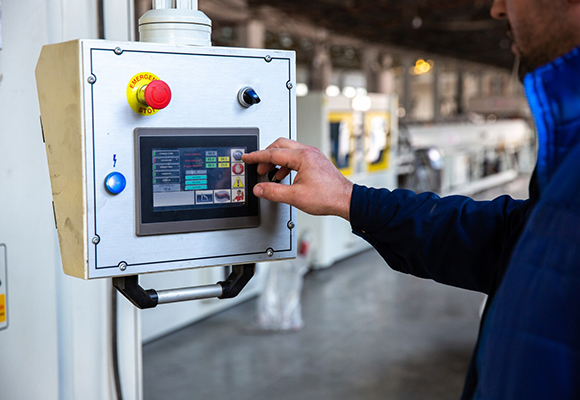
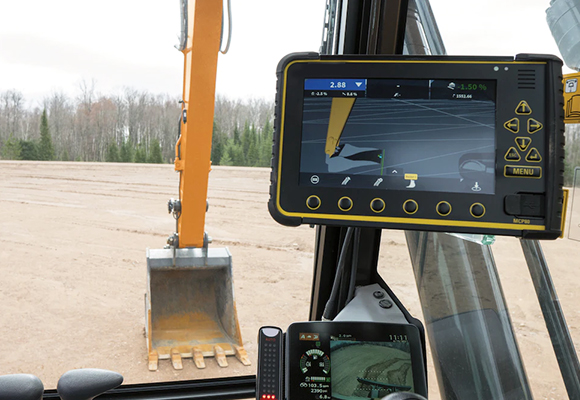
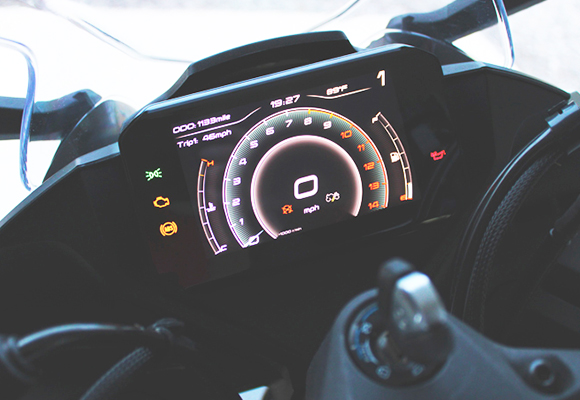
Suitable for industrial control interfaces, machine operation panels, and embedded user interfaces requiring independent display selection.
Can be used in panel PCs where display specifications may vary across different product versions while retaining the same touch architecture.
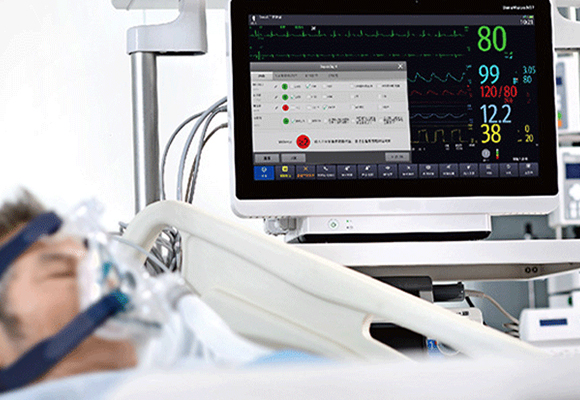
Applicable to diagnostic devices, laboratory systems, and medical interfaces requiring stable touch performance and durable front surfaces.
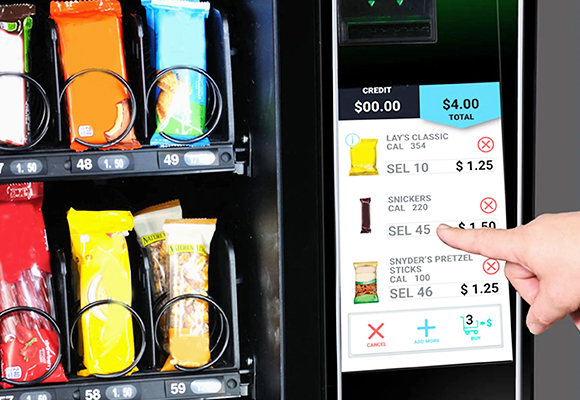
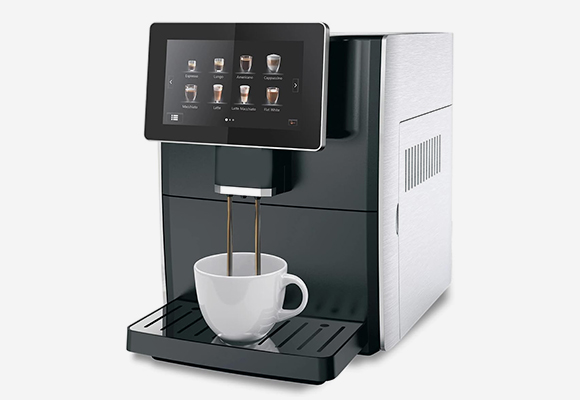
Suitable for automation systems and equipment interfaces where larger touch areas improve usability.
Useful when standard touch display modules do not match mechanical, optical, or integration requirements.
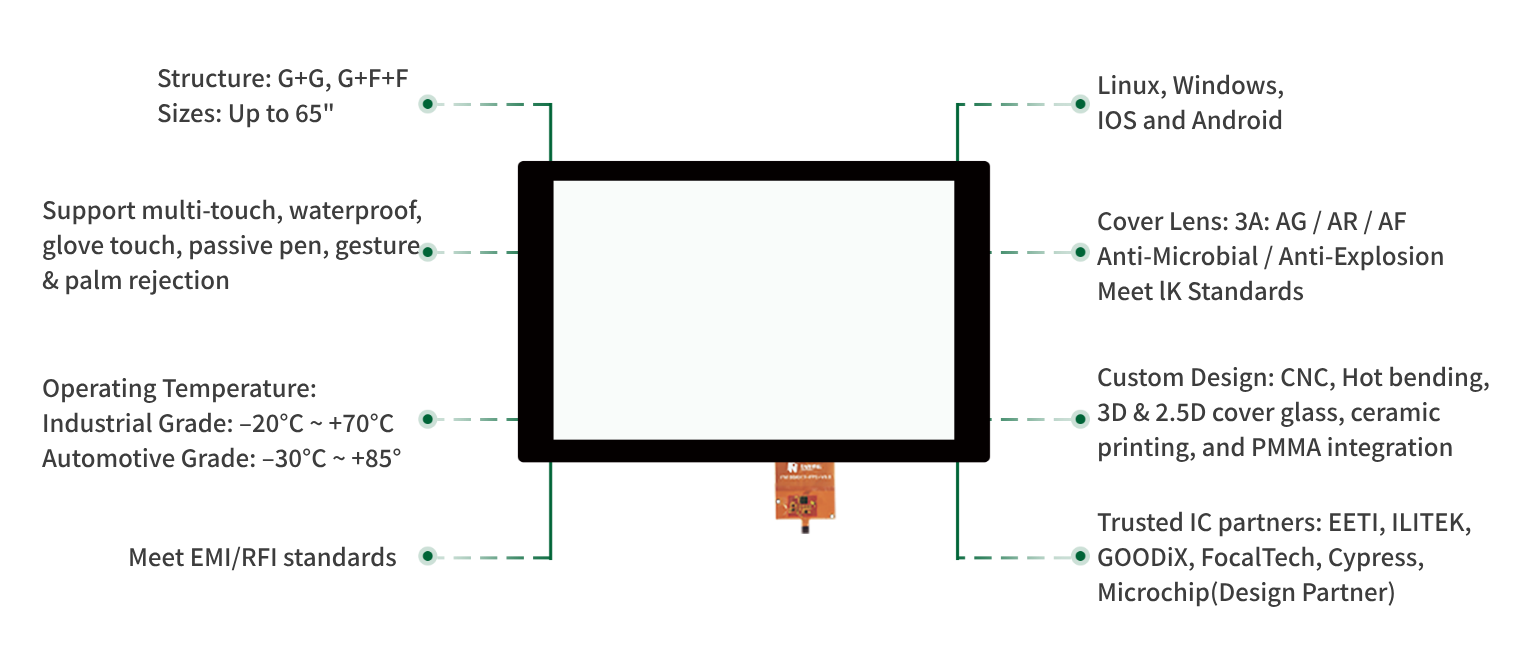
• Available Sizes: Up to 65"
• Structure Options: G+G, G+F+F, designed for industrial and automotive applications
• Touch Functions: Supports multi-touch, waterproof, glove touch, passive pen, gesture & palm rejection
• Operating Temperature:
Industrial Grade: –20°C ~ +70°C
Automotive Grade: –30°C ~ +85°
• Touch tuning and firmware optimization provided by FANNAL (in-house FW design)
• Trusted IC partners: EETI, ILITEK, GOODiX, FocalTech, Cypress, Microchip(FANNAL's Design Partner)
• High Reliability: Excellent anti-interference and long-term stability
• EMC Design: Full electromagnetic compatibility engineering to meet EMI/RFI and industrial standards
• Material Options:
Glass: 0.55mm–10.0mm
PMMA: 0.5mm–3.0mm
PC: 0.1mm–1.0mm
• Custom Design: CNC, Hot bending, 3D & 2.5D cover glass, ceramic printing, and PMMA integration
• Surface Treatments:
3A: AG / AR / AF
Anti-Microbial / Anti-Explosion
Optical Bonding | Size Range | Notes |
OCA | Up to 15.6” | Two fully automated production lines for high-volume manufacturing |
LOCA / OCR | Up to 32” | Excellent for high contrast and durability |
Silicone | Up to 32” | Ideal for rugged, large-size industrial applications |
Separating the touch panel from the display module allows greater flexibility when selecting LCD specifications such as brightness, resolution, interface type, and supply availability.
Increasing cover glass thickness can affect signal transmission and touch performance. Touch controller tuning and sensor design are typically adjusted accordingly.
USB integration may simplify software implementation on some embedded systems and operating environments. The choice depends on hardware architecture and application requirements.
G+G structures generally provide better dimensional stability and surface durability, although alternative structures may be preferred where cost or weight reduction is a priority.
Yes. Standalone touch panels are commonly selected when display parameters such as brightness, interface type, or supplier requirements may vary between projects.