FN1010D077A
10.1
142.96*228.56*2.62
-10~+50
-20~+60
1500:1
800*1280
FREE
MIPI
400
| Availability: | |
|---|---|
| Quantity: | |
Drawing
Specifications
Category | Specification |
SIZE | 10.1 Inch |
RESOLUTION RATIO | 800*1280 |
LCD TYPE | Transmissive |
DISPLAY MODE | Normally Black |
DISPLAY DIRECTION | Free |
CONTRAST RATIO | 1500:1 |
LUMINANCE | 400Typ / 320Min |
UNIFORMITY | 75%Min |
INTERFACE | MIPI |
POWER SUPPLY | 1.8V |
CONNECTION | Connector |
DRIVER IC | FT8201P |
OPERATION TEMPERATURE | -10~+50 |
STORAGE TEMPERATURE | -20~+60 |
ENVIRONMENTAL REQUIREMENTS | RoHS-2.0 |
UNMARKED TOLERANCE | ±0.2mm |
Applications
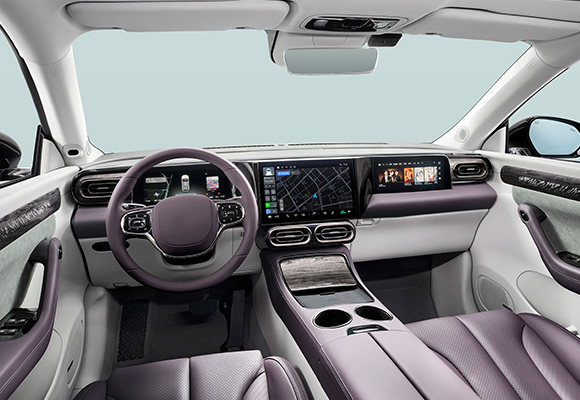
This display is well suited for embedded systems where space efficiency, signal integration, and display stability are prioritized over extreme environmental resistance.
Typical applications include:
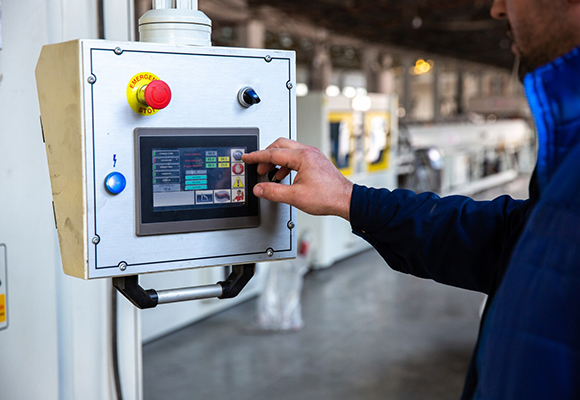
Embedded control terminals
Suitable for control interfaces in embedded systems where the display is tightly integrated with the mainboard or SoC platform.
Smart home and building control panels
Normally black mode and wide viewing angle support clear UI presentation in indoor control and monitoring devices.
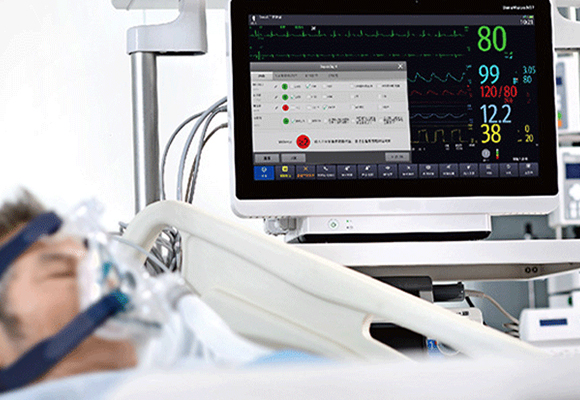
Medical auxiliary and desktop devices
Appropriate for non-portable medical equipment and auxiliary devices used in controlled indoor environments.
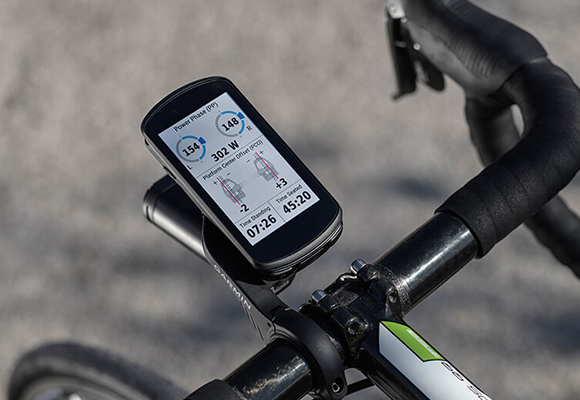
Smart instrumentation and compact HMI devices
Balanced brightness and resolution meet the requirements of information display and interaction in smart instruments.
OEM embedded display solutions
Designed for customized embedded products where integration simplicity and electrical compatibility are key considerations.
Custom In-Cell Display
Unlike conventional TFT displays that rely on an additional touch panel, in-cell technology integrates touch sensing directly into the LCD structure.
In-cell displays are typically selected when system thickness, optical clarity, and integration simplicity outweigh the need for extreme environmental robustness—making them suitable for compact medical devices, portable industrial terminals, and space-limited HMIs.
Touch–Display Layer Integration
Optimization of sensing electrodes within the LCD cell
Overall Module Thickness Control
Reduced layer stack for space-constrained system designs
Optical Path Optimization
Improved transmittance and reduced internal reflections
System-Level Compatibility
Alignment between display, touch, and controller architecture
Mechanical & Enclosure Coordination
Integration with slim housings and front glass designs
No external touch sensor
Touch electrodes are integrated into the LCD cell.
No separate touch controller IC
Fewer components, lower BOM cost.
One less bonding process
Reduced manufacturing steps and assembly cost.
Technical Note
In-Cell touch requires precise signal tuning and system-level debugging.
This integration complexity demands strong engineering capability — which we provide.
Why Choose FAANAL?
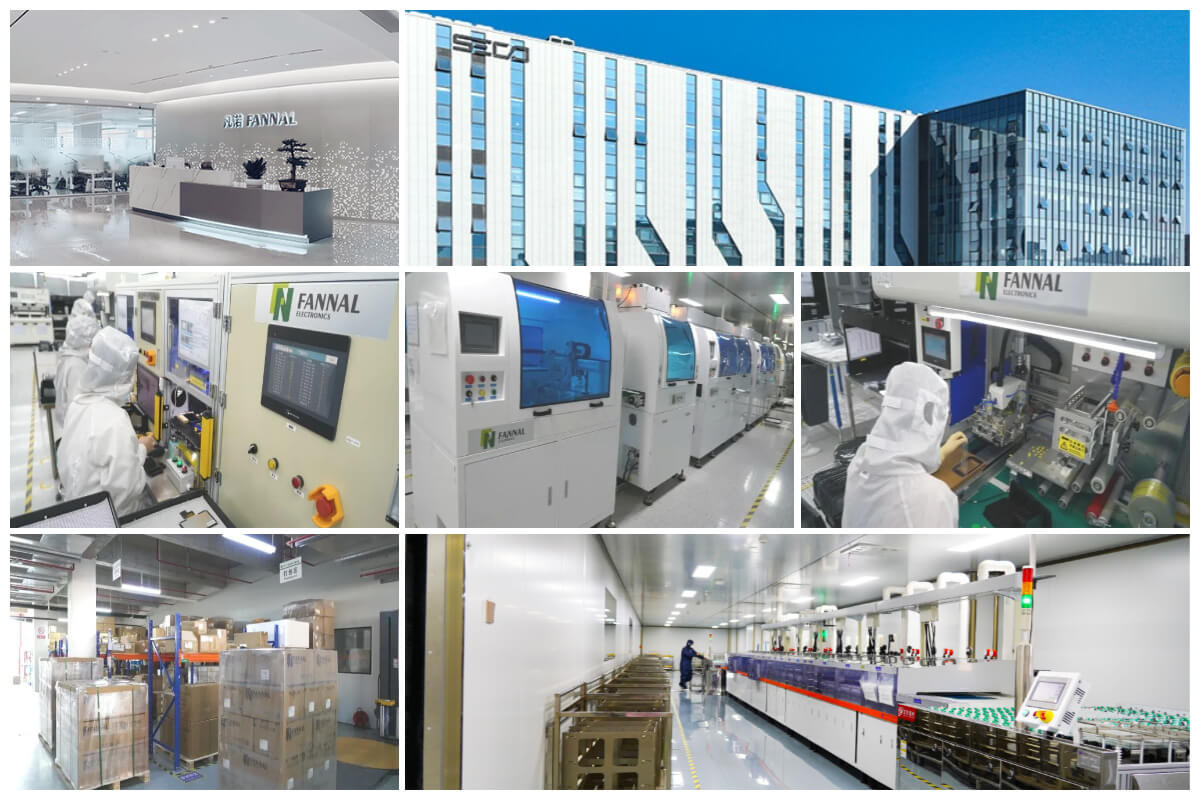
![]() | Well-Experienced: 15 years of experience in TFT Displays, AMOLED Displays, Touch Displays, Capacitive Touchscreens, and Touch Monitors manufacturing. |
![]() | One-Stop Solution: Full in-house process for touch screen, display, and optical bonding |
![]() | Global Service: Italy, Germany, France, Spain, India, Japan, Singapore, and more — timely local support. |
![]() | Strong Background: Financially backed by SECO, a top European leader in embedded and display solutions. |
![]() | Reliable Supply: Our long-term supplier network ensures you receive consistent quality and reliable delivery, even in high-demand seasons. |
![]() | Quality Assurance: ISO 9001, ISO 14001, ISO 45001, ISO 13485 & IATF 16949 certified; REACH & RoHS compliant. |
Album
FAQ
Q1: What are the benefits of using an in-cell TFT display in embedded devices?
In-cell TFT displays integrate functional layers within the panel structure, helping reduce overall thickness and simplify mechanical and system-level integration for embedded designs.
Q2: What type of systems is this 10.1 inch display best suited for?
This display is optimized for embedded systems, smart control panels, and OEM devices operating in indoor or controlled temperature environments.
Q3: What advantages does the normally black display mode provide?
Normally black mode offers improved contrast perception and consistent image appearance, especially in UI-focused embedded applications.
Q4: Is this display suitable for continuous operation?
Yes. When operated within the specified temperature and electrical conditions, the display supports stable long-term operation in embedded systems.
Q5: Can this display be customized for specific embedded platforms?
Customization options may include interface configuration, connector type, and mechanical integration to match specific embedded platform requirements.