FN0151E001A
FANNAL
1.504
-20~+70℃
-40~+80℃
466×466
ALL
MIPI&SPI
600
Customization
| Availability: | |
|---|---|
| Quantity: | |
The 1.504-inch OLED screen features a resolution of 466x466 pixels, providing a high-quality visual experience ideal for wearable devices. This display utilizes MIPI and SPI interfaces, offering versatile connectivity options for various applications.
Active Area: 38.207 x 38.207 mm
Power Supply: 3.3V
Display Type: Round AMOLED
Applications: Specifically designed for wearable devices, enhancing user interaction with vibrant colors and sharp images.
The round AMOLED display delivers vivid colors, deep blacks, and high contrast, making it ideal for wearable devices that require clear and legible information at a glance. Its 466×466 resolution ensures sharp text and graphics, even on a small 1.504″ screen.
With MIPI and SPI interfaces, this module supports a wide range of microcontrollers and system architectures, allowing developers to easily integrate it into custom wearable or embedded devices.
Thanks to AMOLED technology and optimized low-power design, the display minimizes energy consumption, extending the battery life of portable and wearable devices.
The 1.504″ round form factor is specifically designed for circular wearable interfaces, ensuring seamless fit and ergonomic display layouts for smartwatches, fitness trackers, and other small devices.
The integrated cover glass protects the panel from scratches and minor impacts, while the module is built to operate reliably across the temperature ranges typical for wearable electronics, ensuring long-term stability
This display panel is an excellent solution for developers looking to create engaging and visually appealing wearable applications.

LCD size(inch): | 1.504 (Diagonal) |
Resolution: | 466(H)×466(V) |
Pixel Pitch: | 81.99(H)x81.99(V) |
Active Area(mm): | 38.207(H)×38.207(V) |
Module Size(mm): | 40.71×40.81×0.82 |
Display type: | AMOLED |
Interface: | MIPI&SPI |
View Direction: | ALL |
| Power Supply: | 3.3 |
| Luminance(cd/m2): | 600(Typ.) |
Pin No. | Symbol | I/O | Description |
| 1 | MTP_PWR | P | OTP Panel. |
| 2 | GND | P | Ground. |
| 3 | D0P | I | MIPI DSI Positive differential data signal. |
| 4 | D0N | I | MIPI DSI Negative differential data signal. |
5 | GND | P | Ground. |
| 6 | CLKP | I | MIPI DSI Positive differential data signal. |
| 7 | CLKN | I | MIPI DSI Negative differential data signal. |
| 8 | GND | P | Ground. |
| 9 | D1P | I | MIPI DSI Positive differential data signal. |
| 10 | D1N | I | MIPI DSI Negative differential data signal. |
| 11 | GND | P | Ground. |
| 12 | IM0 | I/O | Interface type selection. |
| 13 | IM1 | I/O | Interface type selection. |
| 14 | GND | P | Ground. |
| 15 | NC | - | No connection. |
| 16 | GND | P | Ground. |
| 17 | D1 | I | Serial input signal in SPl l/F. The data is input on the rising edge of the SCL signal. lf not used, please connect to VSSlO. |
| 18 | D0 | I | Serial input signal in SPl l/F. The data is input on the rising edge of the SCL signal. lf not used, please connect to VSSlO. |
| 19 | GND | P | Ground. |
| 20 | CSB | I | Chip select input pin in SPI I/F. If not used, please connect to VDDIO. |
| 21 | SCL | I | Pixel clock input signal. |
| 22 | SDI | I | Serial data input signal. |
| 23 | SDO | I | Serial data output signal. |
| 24 | RESET | I | Reset signal input. |
| 25 | TE | O | Tearing effect output pin to synchronize MCU to frame writing, activated by S/W command. When this pin is not activated, this pin is output low. |
| 26 | OLED_EN | O | Power IC enable control pin(Note:"H"=VDD level, "L"=VSSI level. |
| 27 | SWIRE | O | Swire protocol setting pin of Power IC. |
| 28 | NC | - | No connection. |
| 29 | VCI | P | Supply analog voltage. |
| 30 | VDDIO | P | Power supply for display driver IC interface and logic system. |
| 31 | GND | P | Ground. |
| 32 | ELVDD | P | Positive Power supply for Panel. |
| 33 | GND | P | Ground. |
| 34 | ELVSS_IN | P | Negative Power supply for Panel. |
Parameter | Symbol: | Min. | Max. | Unit |
Supply Voltage | VDDA | -0.3 | 5.5 | V |
| Supply voltage | VDDIO | -0.3 | 5.5 | V |
Smartwatches and fitness trackers
Wearable medical devices (heart rate monitors, portable sensors)
Circular indicators in automotive or industrial systems
Custom embedded devices requiring high-quality round displays
![]()
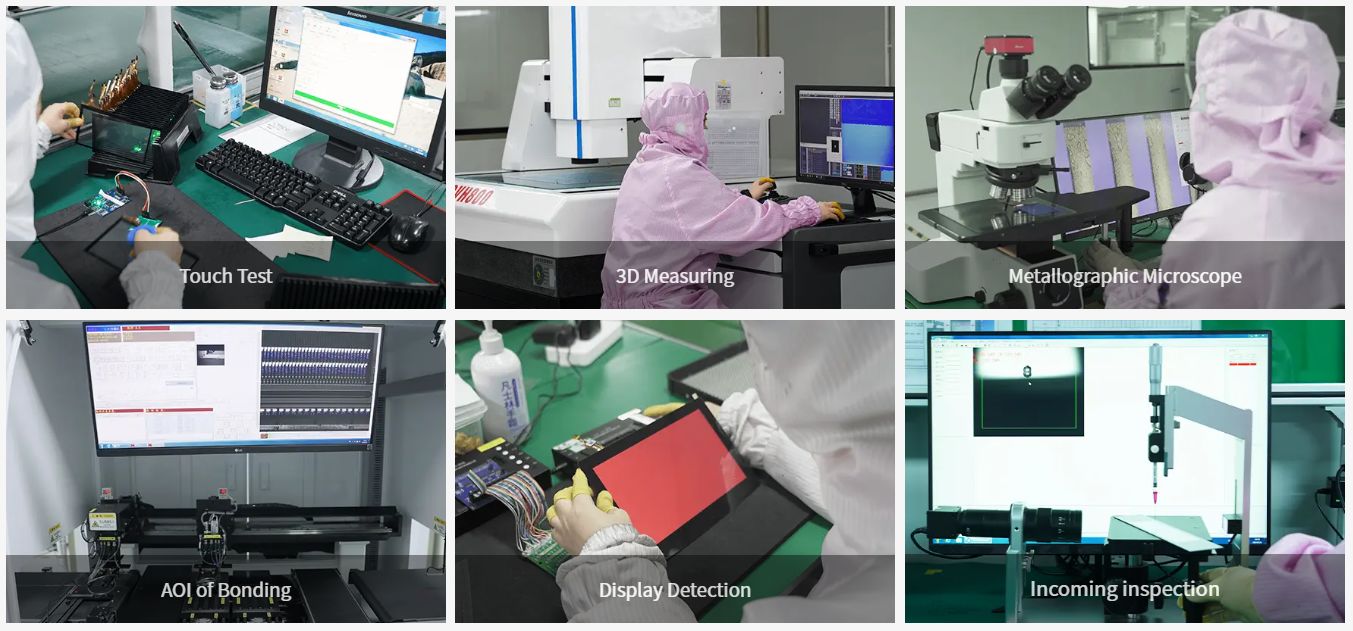
![]() | Well-Experienced: 15 years of experience in TFT Displays, AMOLED Displays, Touch Displays, Capacitive Tuchscreens, and Touch Monitors manufacturing. |
![]() | One-Stop Solution: Full in-house process for touch screen, display, and optical bonding |
| Global Service: Italy, Germany, France, Spain, India, Japan, Singapore, and more — timely local support. |
| Strong Background: Financially backed by SECO, a top European leader in embedded and display solutions. |
| Reliable Supply: Our long-term supplier network ensures you receive consistent quality and reliable delivery, even in high-demand seasons. |
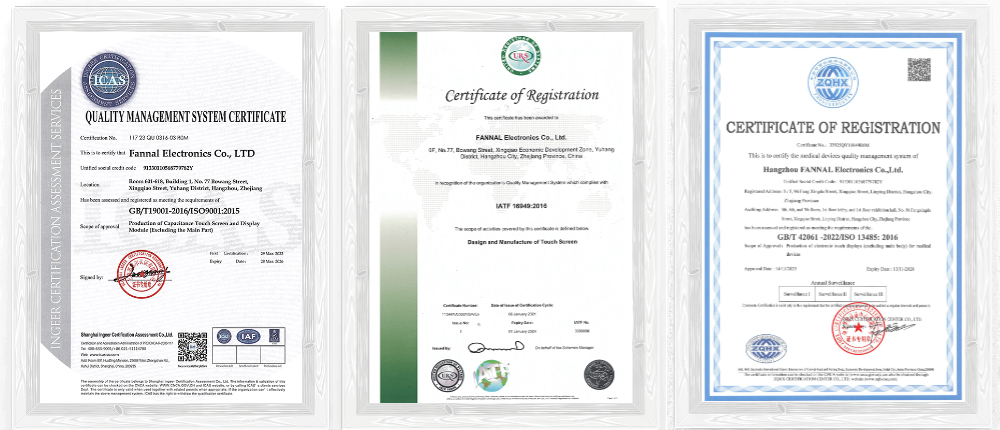
| Quality Assurance: ISO 9001, ISO 14001, ISO 45001, ISO 13485 & IATF 16949 certified; REACH & RoHS compliant. |
1️⃣ Can this display be used in standard smartwatch designs?
Yes, the 1.504″ round size is suitable for most wearable designs, but ensure that the mechanical dimensions and bezel clearances match your device housing.
2️⃣ Which interface is recommended for high-performance graphics?
MIPI is ideal for fast, high-resolution animations, while SPI is suitable for simpler graphics and lower-power applications. Choose based on your system requirements.
3️⃣ How does this display affect battery life in wearable devices?
AMOLED technology combined with a low-power design reduces energy consumption. Optimizing brightness and refresh rates will further extend battery life.
4️⃣ Is this display reliable for continuous wearable use?
Yes. It is designed for long-term operation in wearable environments, though thermal management is recommended for devices with high refresh rates or always-on screens.
5️⃣ Can circular UI elements be accurately displayed?
Yes. The round form factor supports circular interfaces, but ensure your software handles circular clipping and coordinate mapping correctly.